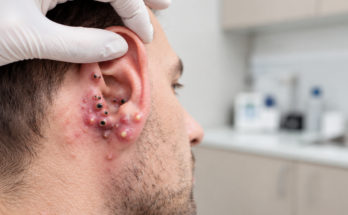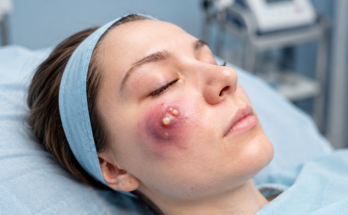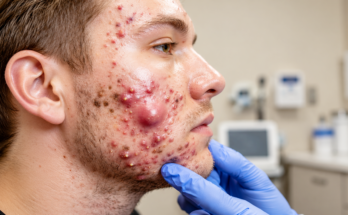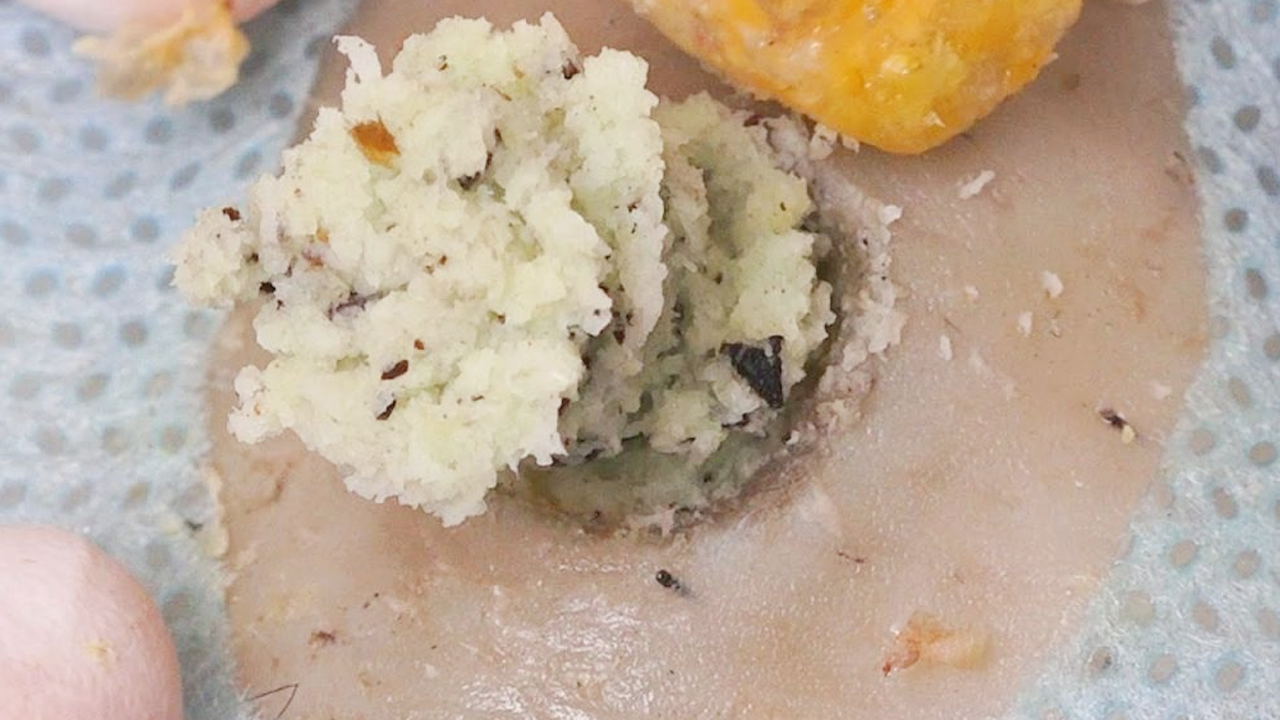
Acne facials are specialized treatments aimed at managing and reducing acne symptoms. They are particularly beneficial for individuals with mild to moderate acne and can complement a comprehensive skincare regimen. Here’s an in-depth look at what acne facials entail, their benefits, and considerations:
 What Is an Acne Facial?
An acne facial is a professional skincare treatment designed to address acne concerns. It typically includes deep cleansing, exfoliation, extractions, and the application of specialized masks or serums tailored to acne-prone skin. Some facials may also incorporate advanced therapies like LED light treatments or high-frequency devices to target acne-causing bacteria and reduce inflammation. Mindbodygreen
 Common Steps in an Acne Facial
-
Deep Cleansing: The esthetician begins by thoroughly cleansing the skin to remove makeup, oil, and impurities. This step ensures that subsequent treatments are more effective. Verywell Health+2Verywell Health+2Soothe+2
-
Exfoliation: Exfoliating treatments, such as chemical peels with salicylic acid or glycolic acid, help remove dead skin cells and unclog pores. This step is crucial for preventing future breakouts.
-
Extractions: If necessary, the esthetician may perform extractions to remove blackheads and whiteheads. This process should be done carefully to avoid skin damage. Soothe
-
Treatment Application: Depending on the individual’s skin type and acne severity, treatments like LED light therapy or high-frequency devices may be used to target acne bacteria and reduce inflammation. Mindbodygreen
-
Moisturizing and Calming: The facial concludes with the application of a soothing moisturizer and sunscreen to protect the skin and maintain hydration. skinwellnessflorida.com
 Benefits of Acne Facials
-
Deep Cleansing: Helps remove impurities and excess oil that can contribute to acne.
-
Prevention of Future Breakouts: Regular facials can help maintain clear skin by preventing clogged pores.
-
Improved Skin Texture: Exfoliation and treatments can lead to smoother and more even-toned skin.
-
Relaxation: The process can be a soothing experience, reducing stress that may exacerbate acne.
 Considerations and Limitations
-
Not a Cure-All: While beneficial, acne facials should be part of a broader skincare routine and not relied upon as the sole treatment. Verywell Health
-
Severity of Acne: Individuals with severe or cystic acne may require medical treatments in addition to facials. Verywell Health
-
Skin Sensitivity: Those using certain acne medications, like retinoids, may need to avoid exfoliation to prevent irritation.
 When to Consult a Dermatologist
If you have persistent or severe acne, it’s advisable to consult a dermatologist. They can provide personalized treatments, such as prescription medications or advanced procedures, to effectively manage acne and prevent scarring.
In summary, acne facials can be a valuable component of an acne management plan, offering benefits like deep cleansing and prevention of future breakouts. However, they should be used in conjunction with a comprehensive skincare routine and under professional guidance to achieve optimal results.
 Step-by-Step Acne Facial Treatment (Professional Setting)
1. Cleansing
-
A gentle cleanser is used to remove oil, makeup, and surface impurities.
-
This preps the skin for deeper treatment.
 Reference: Verywell Health – What to Expect During an Acne Treatment Facial
2. Skin Analysis
-
The esthetician uses a magnifying lamp to assess your acne type (e.g., comedonal, inflammatory, cystic).
-
Treatment is tailored to your skin condition and sensitivity.
3. Exfoliation
-
Can be mechanical (microdermabrasion) or chemical (AHAs or BHAs like glycolic or salicylic acid).
-
Removes dead skin cells, unclogs pores, and allows treatments to penetrate better.
Reference: Healthline – Facials for Acne: What to Know
4. Extractions
-
Manual removal of blackheads and whiteheads using sterile tools.
-
Helps prevent clogged pores from turning into inflamed acne.
-
Done professionally to avoid scarring or infection.
Reference: Dermstore – Guide to Acne Facials
5. Targeted Treatment (Optional)
May include:
-
High-Frequency Device: Uses mild electrical current to kill acne-causing bacteria.
-
LED Light Therapy: Blue light reduces Cutibacterium acnes (acne bacteria); red light reduces inflammation.
Reference: Journal of Clinical and Aesthetic Dermatology
-
Study showing efficacy of LED light in acne treatment.
6. Mask Application
-
Clay or sulfur-based masks help absorb oil, reduce shine, and draw out impurities.
-
Calming masks may be used post-extraction to soothe the skin.
7. Moisturizer and SPF
-
A non-comedogenic moisturizer restores hydration.
-
Sunscreen protects against UV-induced inflammation and hyperpigmentation.
Reference: Mayo Clinic – Acne Treatments
Pros of Acne Facials
-
Immediate pore cleansing
-
Reduces surface-level acne and comedones
-
Can calm skin redness
-
Helps skin absorb medications better
Considerations & Limitations
-
Not a standalone solution: Acne facials work best when paired with a medical skincare regimen.
-
Not for severe acne (e.g., cystic): Those may require oral medication or cortisone injections.
-
Results are not permanent: Regular maintenance is needed.
Reference: Verywell Health – Do Acne Facials Work?
When to See a Dermatologist
You should consult a board-certified dermatologist if:
-
Your acne is moderate to severe
-
You have cysts or scarring
-
OTC products and facials haven’t helped
Reference: AAD – When to See a Dermatologist for Acne