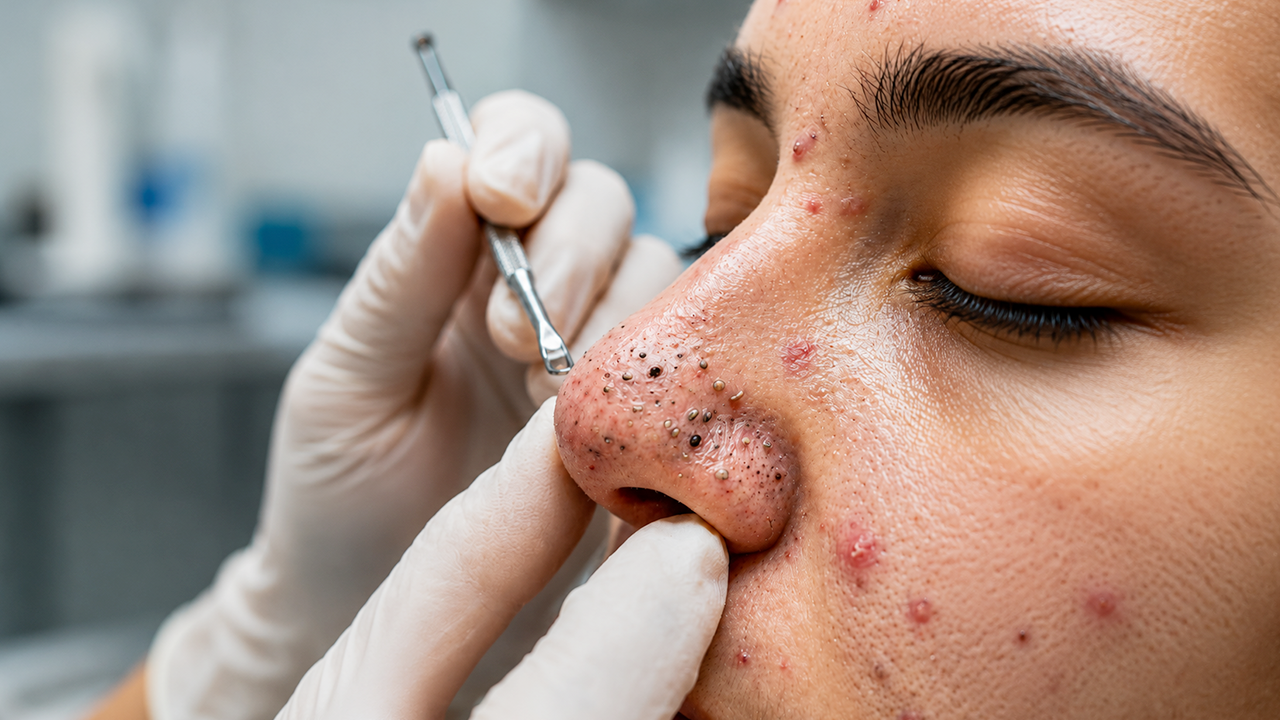
Healthy skin is more than just a beauty goal—it’s a reflection of your overall well-being. Whether you’re getting ready for work, meeting friends, or simply enjoying your daily routine, having healthy, glowing skin can boost your confidence and help you feel your best. While flawless skin doesn’t happen overnight, following a consistent skincare routine combined with healthy lifestyle habits can transform your complexion over time.
In today’s fast-paced world, pollution, stress, poor diet, lack of sleep, and excessive screen time can all take a toll on your skin. Fortunately, you don’t need an expensive collection of skincare products to achieve healthy skin. What matters most is consistency, understanding your skin’s needs, and choosing products that work for your skin type.
This guide will walk you through a complete daily skincare routine, explain why each step matters, and share practical habits that support naturally healthy, radiant skin.
Why Healthy Skin Matters
Your skin is the largest organ in your body and serves as your first line of defense against environmental pollutants, bacteria, and harmful UV rays. Healthy skin also helps regulate body temperature, prevents moisture loss, and supports overall health.
When your skin is healthy, it typically looks:
- Smooth
- Soft
- Hydrated
- Even-toned
- Naturally radiant
- Free from excessive irritation
Healthy skin isn’t about perfection. Everyone experiences occasional blemishes, dryness, or sensitivity. The goal is to maintain skin that feels comfortable, resilient, and well cared for.
Know Your Skin Type
Before creating a skincare routine, identify your skin type.
Normal Skin
Balanced oil production, minimal breakouts, and few dry patches.
Oily Skin
Produces excess sebum, often leading to shiny skin, enlarged pores, and acne.
Dry Skin
Feels tight, rough, or flaky due to lack of moisture.
Combination Skin
Oily in the T-zone (forehead, nose, chin) but dry or normal elsewhere.
Sensitive Skin
Prone to redness, irritation, burning, or reactions to certain products.
Knowing your skin type helps you choose the right cleanser, moisturizer, and treatment products.
Morning Skincare Routine
Starting your day with a proper skincare routine prepares your skin for daily environmental exposure.
Step 1: Gentle Cleanser
Wash your face with a gentle cleanser to remove overnight oil, sweat, and bacteria.
Avoid harsh soaps that strip your skin’s natural protective barrier.
Choose:
- Gel cleanser for oily skin
- Cream cleanser for dry skin
- Gentle foaming cleanser for combination skin
Cleanse using lukewarm water and gentle circular motions.
Step 2: Toner (Optional)
Modern toners help hydrate and balance your skin instead of drying it out.
Look for ingredients like:
- Hyaluronic acid
- Glycerin
- Rose water
- Green tea extract
Avoid alcohol-heavy formulas if your skin is sensitive.
Step 3: Vitamin C Serum
Vitamin C is one of the most effective antioxidants available.
Benefits include:
- Brightens dull skin
- Fades dark spots
- Protects against environmental damage
- Supports collagen production
- Improves skin tone
Apply only a few drops to clean skin.
Step 4: Moisturizer
Hydration is essential regardless of skin type.
Moisturizers help:
- Lock in water
- Strengthen the skin barrier
- Reduce dryness
- Improve elasticity
Even oily skin needs lightweight hydration.
Step 5: Sunscreen
Sunscreen is the most important anti-aging product you can use.
Daily sunscreen helps prevent:
- Premature aging
- Sunburn
- Hyperpigmentation
- Wrinkles
- Skin cancer risk
Use SPF 30 or higher every morning.
Reapply every two hours when outdoors.
Evening Skincare Routine
Nighttime is when your skin naturally repairs itself.
Step 1: Remove Makeup
Always remove makeup before bed.
Sleeping with makeup can clog pores and contribute to breakouts.
Use:
- Cleansing balm
- Micellar water
- Oil cleanser
Step 2: Cleanse Again
Double cleansing removes:
- Sunscreen
- Dirt
- Oil
- Pollution
Your skin should feel clean—not tight.
Step 3: Treatment Products
Night is the best time for active ingredients.
Popular options include:
Retinol
Helps:
- Reduce wrinkles
- Improve texture
- Fade acne scars
- Increase collagen
Start using it only 2–3 nights weekly.
Niacinamide
Helps:
- Reduce redness
- Control oil
- Improve pores
- Calm inflammation
Salicylic Acid
Best for acne-prone skin.
It penetrates pores and removes excess oil.
Step 4: Night Moisturizer
Night creams are often richer than daytime moisturizers.
They help:
- Repair the skin barrier
- Restore hydration
- Support overnight healing
Weekly Skincare Routine
Daily care should be supported by weekly treatments.
Exfoliation
Exfoliate only 1–2 times weekly.
Benefits include:
- Removes dead skin
- Brightens complexion
- Improves product absorption
- Smooths texture
Avoid over-exfoliating.
Face Masks
Face masks provide additional hydration or oil control.
Hydrating masks work well for dry skin.
Clay masks help oily skin.
Use masks once or twice weekly.
Hydration Starts Inside
Drinking enough water supports overall health and helps your skin maintain its natural moisture balance.
Aim for approximately:
- 2–3 liters daily
Increase water intake during hot weather or exercise.
Nutrition for Healthy Skin
Beautiful skin starts from within.
Eat foods rich in:
Vitamin C
Found in:
- Oranges
- Kiwi
- Strawberries
- Bell peppers
Supports collagen production.
Vitamin E
Sources include:
- Almonds
- Sunflower seeds
- Avocados
Protects skin from oxidative stress.
Omega-3 Fatty Acids
Found in:
- Salmon
- Sardines
- Walnuts
- Chia seeds
Help reduce inflammation.
Zinc
Important for acne control and healing.
Foods include:
- Pumpkin seeds
- Beans
- Lentils
- Beef
Colorful Vegetables
Carrots, spinach, tomatoes, broccoli, and sweet potatoes provide antioxidants that protect skin cells.
Sleep and Skin Health
Your body repairs itself while you sleep.
Poor sleep may contribute to:
- Puffy eyes
- Dull skin
- Increased breakouts
- Fine lines
Aim for 7–9 hours of quality sleep every night.
Exercise Improves Skin
Regular physical activity increases blood circulation.
Benefits include:
- Better oxygen delivery
- Healthy glow
- Reduced stress
- Improved collagen support
Remember to cleanse your face after sweating.
Stress Management
Stress affects hormone levels and may trigger acne, eczema flare-ups, and inflammation.
Reduce stress through:
- Meditation
- Yoga
- Walking
- Reading
- Deep breathing
- Spending time outdoors
Healthy skin often reflects a balanced lifestyle.
Avoid Common Skincare Mistakes
Many people unintentionally damage their skin by:
- Washing too often
- Skipping sunscreen
- Sleeping with makeup
- Using too many active ingredients
- Picking pimples
- Using expired products
- Ignoring patch tests
Consistency always beats using dozens of products.
Seasonal Skin Care Tips
Summer
Use lightweight moisturizers and oil-free sunscreen.
Stay hydrated.
Winter
Switch to richer moisturizers.
Avoid very hot showers.
Use a humidifier indoors if the air is dry.
Building Confidence Through Healthy Skin
Confidence doesn’t come from having perfect skin—it comes from knowing you’re taking care of yourself. A consistent skincare routine is an act of self-care that can improve not only your appearance but also how you feel each day.
Celebrate progress rather than perfection. Small daily habits, such as cleansing your face, moisturizing, wearing sunscreen, drinking water, and getting enough sleep, can have a lasting impact over time. As your skin becomes healthier, you may find yourself feeling more comfortable without heavy makeup and more confident in social and professional settings.
Daily Healthy Skin Checklist
✔ Cleanse morning and night
✔ Moisturize every day
✔ Apply sunscreen every morning
✔ Drink enough water
✔ Eat fruits and vegetables
✔ Sleep 7–9 hours
✔ Exercise regularly
✔ Avoid smoking
✔ Limit excessive sugar intake
✔ Remove makeup before bed
✔ Exfoliate weekly
✔ Stay consistent
Final Thoughts
Healthy skin is the result of consistent care, patience, and healthy lifestyle choices. There is no single miracle product that can replace good daily habits. By understanding your skin type, using gentle and effective skincare products, protecting your skin from the sun, staying hydrated, eating a balanced diet, exercising, managing stress, and getting enough sleep, you can support your skin’s natural ability to stay strong, smooth, and radiant.
Remember that everyone’s skin is unique, and what works for one person may not work for another. Introduce new products gradually, pay attention to how your skin responds, and seek advice from a qualified dermatologist if you have persistent concerns such as severe acne, eczema, or unusual skin changes.
Healthy skin is not about chasing perfection—it is about creating a sustainable routine that helps your skin look and feel its best every day. With dedication and consistency, you can enjoy healthier skin, a brighter complexion, and the confidence that comes from taking good care of yourself. Every small step you take today contributes to healthier, more radiant skin for years to come.