Taking care of facial skin does not have to involve a complicated routine or a large collection of products.
A simple approach based on gentle cleansing, regular moisturizing, and everyday healthy habits can help keep the skin feeling clean, comfortable, and balanced.
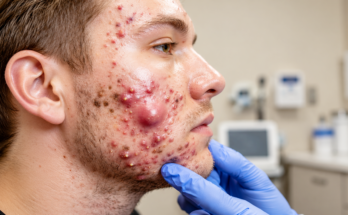
When pimples or blackheads appear, consistency is often more helpful than trying many different products at once.
A good facial routine usually begins with gentle cleansing. Washing the face in the morning and before bedtime can help remove excess oil, sweat, dirt, and daily buildup. Choose a mild cleanser that feels comfortable on the skin and avoid scrubbing too hard. Rough rubbing can leave the skin feeling irritated, especially when there are already visible blemishes.
After cleansing, moisturizing can help support the skin’s natural protective barrier. Some people with oily-looking skin may think moisturizer is unnecessary, but keeping the skin comfortably hydrated can be an important part of a balanced routine. A lightweight, non-comedogenic moisturizer can be a practical option for people who are concerned about clogged pores.
Blackheads are commonly associated with pores becoming filled with oil and dead skin cells. They can be tempting to squeeze or pick, but frequent picking may cause irritation and can make the area look more noticeable. Instead, gentle and consistent cleansing can help maintain a cleaner-feeling complexion. Products containing ingredients designed for pore care may also be considered, but introducing one new product at a time makes it easier to understand how the skin responds.
For occasional pimples, patience is important. Avoid repeatedly touching the face throughout the day, and keep items that regularly contact the face, such as pillowcases and phone screens, reasonably clean. Hair products can also transfer to facial skin, so keeping hair away from areas that are prone to blemishes may be useful.
Sun protection is another valuable part of everyday facial care. Spending time outdoors exposes skin to ultraviolet radiation, so applying a broad-spectrum sunscreen during the day can help protect the skin from sun-related damage. Choose a product that feels comfortable enough to use consistently.
Healthy lifestyle habits can complement a basic skincare routine. Getting adequate rest, drinking enough fluids, eating a varied diet, and finding ways to manage everyday stress can all support general well-being. These habits are not a guaranteed solution for pimples or blackheads, but they can contribute to an overall healthy routine.
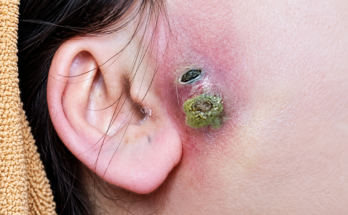
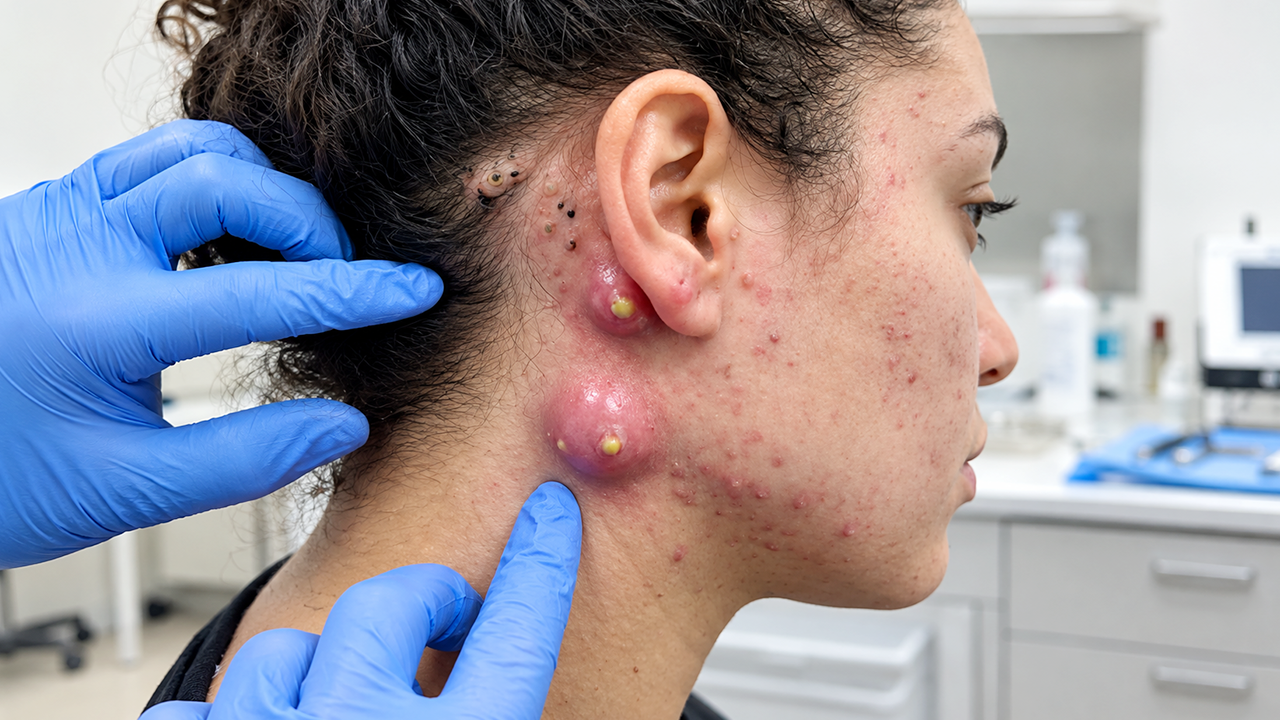
Most importantly, give your skin time to adjust. Skincare does not need to be perfect to be effective as a daily habit. If blemishes become persistent, painful, widespread, or difficult to manage, a qualified healthcare professional or dermatologist can provide personalized guidance. A calm, gentle, and consistent approach can make facial care feel much easier to maintain.