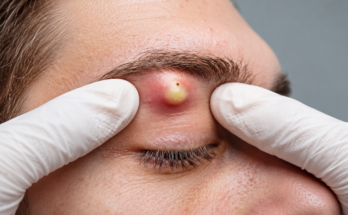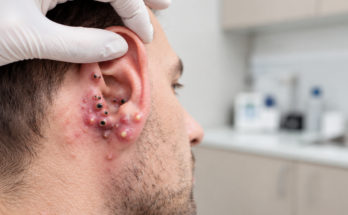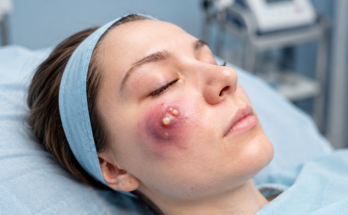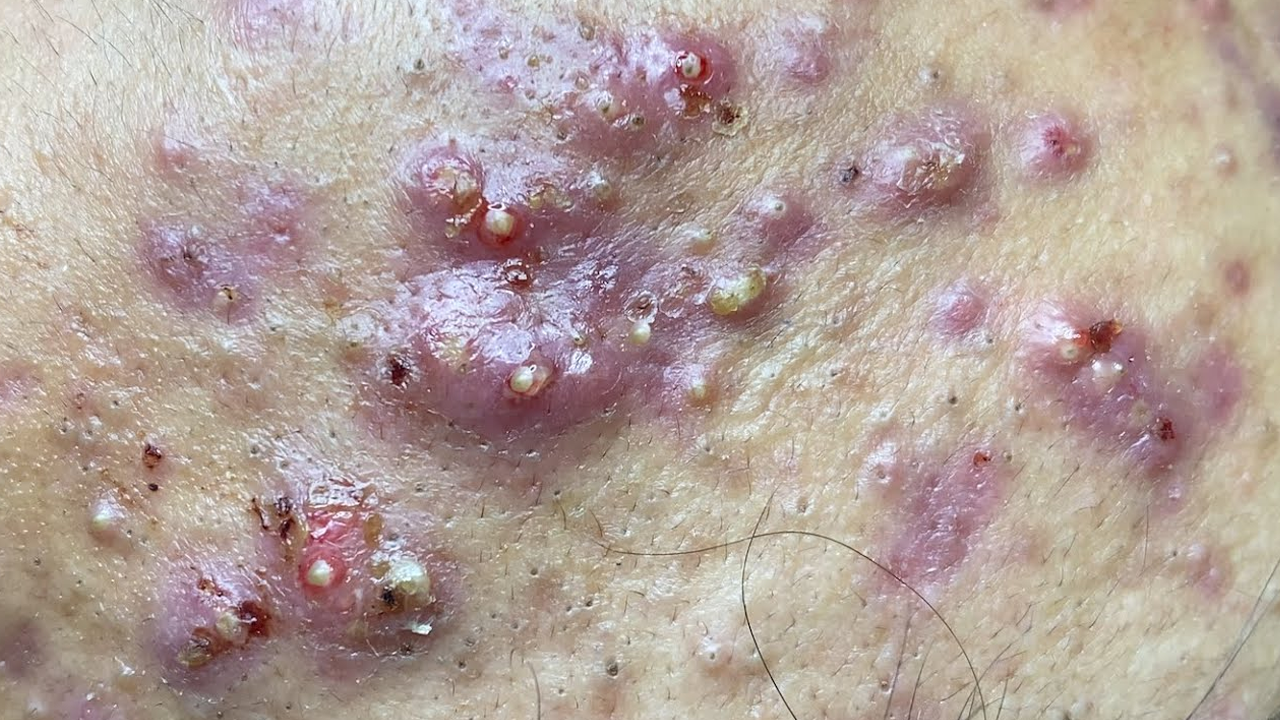
The image above presents a close-up dermatological view of severe inflammatory acne with multiple pustules, swollen nodules, redness, and irritated skin tissue. This condition represents an advanced stage of acne where inflammation, bacterial infection, clogged pores, and excessive oil production combine to create painful and visible lesions. Acne is one of the most common skin disorders worldwide, affecting millions of individuals regardless of age, gender, or ethnicity. Although often considered a teenage problem, severe acne can continue into adulthood and significantly affect both physical appearance and emotional well-being.
Inflammatory acne develops when hair follicles become blocked with oil, dead skin cells, and bacteria. The trapped material creates an ideal environment for bacterial growth, especially Cutibacterium acnes, formerly known as Propionibacterium acnes. As bacteria multiply inside the clogged pores, the body’s immune system reacts by sending inflammatory cells to the affected area. This results in swelling, redness, pain, and the formation of pus-filled lesions known as pustules.
The image clearly shows clusters of inflamed pustules and nodules. Pustules are small raised bumps filled with pus, while nodules are larger, deeper, and often painful lumps beneath the skin. Severe acne can also produce cysts, which are large fluid-filled lesions capable of causing permanent scarring if left untreated. The surrounding redness and skin irritation visible in the image indicate ongoing inflammation and tissue damage.
Sebaceous glands play an important role in acne formation. These glands naturally produce sebum, an oily substance that protects and moisturizes the skin. However, excessive sebum production can lead to clogged pores and acne development. Hormonal changes are among the most significant causes of increased oil production. During puberty, androgen hormones stimulate sebaceous glands, making teenagers especially vulnerable to acne outbreaks.
Hormonal imbalances continue to affect adults as well. Women may experience hormonal acne during menstruation, pregnancy, menopause, or conditions such as polycystic ovary syndrome (PCOS). Stress-related hormonal fluctuations can also worsen inflammatory acne. Cortisol, commonly called the stress hormone, may increase oil production and trigger additional breakouts during emotionally stressful periods.
Genetics strongly influence acne severity. Individuals with a family history of severe acne are more likely to develop persistent inflammatory lesions. Some people naturally produce more oil or have skin cells that shed abnormally, increasing the risk of clogged pores. Genetic factors may also influence how the immune system responds to bacteria and inflammation.
Environmental factors contribute significantly to acne flare-ups. High humidity, sweating, pollution, and dirty surfaces can worsen skin congestion. Wearing tight clothing, helmets, or face coverings may trap heat and bacteria against the skin, causing irritation and friction-related acne. Certain cosmetic products containing heavy oils or pore-clogging ingredients can also aggravate breakouts.
Diet has been widely discussed in relation to acne. Although no single food directly causes acne in every person, research suggests that high-glycemic foods, sugary beverages, processed carbohydrates, and dairy products may trigger or worsen breakouts in some individuals. Foods that rapidly increase blood sugar levels can stimulate insulin and hormone activity, potentially increasing sebum production and inflammation.
Poor skincare habits may intensify inflammatory acne. Excessive scrubbing damages the skin barrier and spreads bacteria. Using harsh products containing alcohol or strong fragrances can irritate sensitive skin and worsen redness. Failing to remove makeup before sleeping allows oil, dirt, and bacteria to accumulate inside pores, increasing the likelihood of pustule formation.
One of the most damaging habits is squeezing or picking acne lesions. While many people attempt to remove pimples manually, this practice often pushes bacteria deeper into the skin, worsening inflammation and increasing the risk of infection. Picking acne can also cause permanent scars, dark spots, and tissue damage. The image appears to show some lesions with crusting and broken skin, which may result from manipulation or ruptured pustules.
Acne severity is classified into several categories. Mild acne includes blackheads and occasional pimples. Moderate acne involves more widespread inflammatory lesions, while severe acne consists of deep nodules, cysts, and numerous painful pustules. Severe inflammatory acne often requires professional medical treatment rather than over-the-counter skincare alone.
Dermatologists use various treatments to control acne and reduce inflammation. Topical medications are commonly prescribed for mild to moderate cases. Benzoyl peroxide kills acne-causing bacteria and helps reduce swelling. Salicylic acid exfoliates the skin and unclogs pores by dissolving dead skin cells and excess oil. Retinoids derived from vitamin A help regulate skin cell turnover and prevent clogged follicles.
Antibiotics are frequently used to treat severe inflammatory acne. Topical or oral antibiotics reduce bacterial growth and calm inflammation. However, long-term antibiotic use must be carefully managed to prevent bacterial resistance. Dermatologists often combine antibiotics with benzoyl peroxide or retinoids for improved effectiveness.
Hormonal therapy may benefit women experiencing hormonally driven acne. Birth control pills and anti-androgen medications such as spironolactone help regulate hormone levels and reduce oil production. These treatments can significantly improve persistent jawline and chin acne associated with hormonal fluctuations.
For severe cystic acne, isotretinoin is considered one of the most powerful treatment options. Isotretinoin dramatically reduces oil production, shrinks sebaceous glands, and decreases inflammation. Although highly effective, it requires close medical supervision because of potential side effects including dryness, liver concerns, and pregnancy-related risks.
Professional dermatological procedures can also improve severe acne. Chemical peels remove dead skin cells and stimulate skin renewal. Laser therapy targets bacteria and inflammation beneath the skin surface while promoting collagen production. Blue light therapy specifically attacks acne-causing bacteria. Cortisone injections may rapidly reduce painful cysts and nodules.
Proper skincare routines are essential for managing acne-prone skin. Dermatologists recommend cleansing the face twice daily using gentle non-comedogenic products. Non-comedogenic means the product is formulated to avoid clogging pores. Moisturizers remain important even for oily skin because excessive dryness can trigger additional oil production.
Sun protection is often overlooked by people with acne. Some acne treatments increase skin sensitivity to ultraviolet radiation. Excessive sun exposure can worsen redness, cause hyperpigmentation, and accelerate skin aging. Oil-free sunscreen helps protect acne-prone skin without contributing to breakouts.
Hydration and overall health influence skin condition. Drinking adequate water supports healthy skin function and may assist in maintaining the skin barrier. Sleep is equally important because the body repairs damaged tissue during rest. Chronic sleep deprivation can increase stress hormones and worsen inflammation throughout the body.
Inflammatory acne can have profound psychological effects. Many individuals experience embarrassment, low self-esteem, anxiety, and depression due to visible facial lesions. Social interactions, professional confidence, and emotional well-being may all suffer. Teenagers and young adults are particularly vulnerable to emotional distress caused by severe acne.
Acne scarring represents one of the most concerning long-term complications. Severe inflammation damages collagen and skin tissue, leaving behind permanent marks. Acne scars may appear as deep depressions, rolling scars, ice-pick scars, or raised keloids. Early treatment significantly reduces the likelihood of permanent scarring.
Modern dermatology offers several treatments for acne scars. Microneedling stimulates collagen production by creating tiny controlled injuries in the skin. Laser resurfacing removes damaged skin layers and encourages regeneration. Dermal fillers temporarily raise depressed scars, while chemical peels improve texture and discoloration.
Post-inflammatory hyperpigmentation commonly occurs after acne heals, especially in individuals with darker skin tones. These dark or reddish marks can remain visible for months. Ingredients such as niacinamide, azelaic acid, vitamin C, and retinoids may help gradually fade discoloration and restore more even skin tone.
Infections may develop when severe acne lesions rupture or are improperly treated. Open wounds allow bacteria to spread deeper into the skin, increasing redness, swelling, and pain. In rare cases, untreated infections may require stronger medical intervention. Proper hygiene and avoiding manipulation of lesions are essential preventive measures.
Lifestyle habits can greatly influence acne severity. Smoking damages skin circulation and slows healing. Excessive alcohol consumption may contribute to dehydration and inflammation. Regular exercise improves circulation and overall health, but sweat should be cleansed promptly to prevent pore blockage.
The popularity of social media skincare trends has increased public interest in acne treatment. Many videos featuring pimple popping and extraction procedures receive millions of views online. While these videos may appear satisfying or educational, attempting similar extractions at home can lead to infections and permanent damage. Professional treatment remains the safest approach.
Natural remedies are sometimes used to complement medical treatments. Tea tree oil possesses antibacterial properties and may help reduce mild acne. Aloe vera can soothe irritated skin and reduce redness. Honey masks and green tea extracts are also commonly promoted for their anti-inflammatory benefits. However, natural remedies should not replace professional treatment in severe cases.
Skincare product selection is extremely important for acne-prone individuals. Products labeled oil-free, fragrance-free, and non-comedogenic are generally safer choices. Heavy creams, greasy cosmetics, and harsh exfoliants may worsen irritation and clog pores further. Patch testing new products can help avoid allergic reactions.
Hormonal acne in adults often appears differently from teenage acne. Adult breakouts commonly occur along the jawline, chin, and neck and may be deeply inflamed. Women are more likely to experience recurring hormonal flare-ups related to menstrual cycles or endocrine disorders.
Teenagers frequently experience acne because puberty increases androgen hormone activity. Educating young people about proper skincare, healthy habits, and realistic treatment expectations is important. Many adolescents become frustrated when treatments do not work immediately, but most therapies require several weeks or months for visible improvement.
Cultural and social attitudes toward acne can sometimes create unnecessary shame or embarrassment. Acne is a medical skin condition rather than a sign of poor hygiene or laziness. Compassionate education and access to dermatological care can help reduce stigma and encourage early treatment.
The image of severe pustular acne highlights the importance of timely dermatological intervention. Left untreated, inflammatory acne may continue to worsen, causing physical pain and permanent skin damage. Early diagnosis and personalized treatment plans improve long-term outcomes and reduce emotional distress.
Prevention strategies remain essential even after acne improves. Maintaining consistent skincare habits, avoiding known triggers, managing stress, eating a balanced diet, and following prescribed treatments can help prevent future breakouts. Dermatologists often recommend maintenance therapy to keep pores clear and reduce inflammation over time.
Medical research continues to advance the understanding of acne and inflammatory skin diseases. Scientists are exploring new therapies targeting bacteria, immune responses, and hormonal pathways. Personalized skincare based on genetics and microbiome analysis may become more common in the future.
In conclusion, severe inflammatory acne is a complex skin condition involving excess oil production, bacterial growth, clogged pores, hormonal changes, genetics, and immune system responses. The image demonstrates how painful and damaging advanced acne can become when inflammation spreads throughout the skin. Fortunately, modern dermatology provides many effective treatments capable of reducing breakouts, preventing scarring, and restoring healthier skin. Through proper skincare, medical treatment, healthy lifestyle choices, and emotional support, individuals struggling with severe acne can achieve significant improvement and regain confidence in their appearance.