Have you ever noticed a small bump on your skin and thought, “It’s probably nothing”? Most people have. Tiny lumps, pimples, cysts, or swollen areas often seem harmless at first. They may not hurt, and they might stay the same size for weeks or even months. Because they don’t seem serious, many people ignore them.
But sometimes, what starts as a small lump can slowly develop into a severe infection that becomes painful, dangerous, and even life-threatening if left untreated.
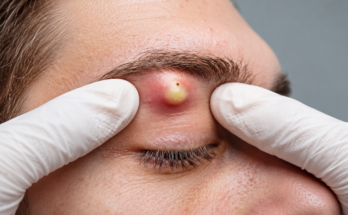
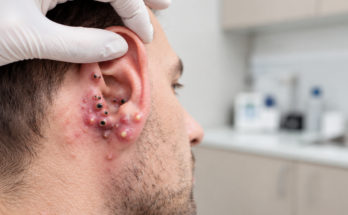
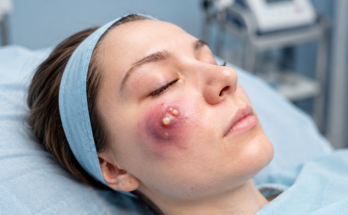
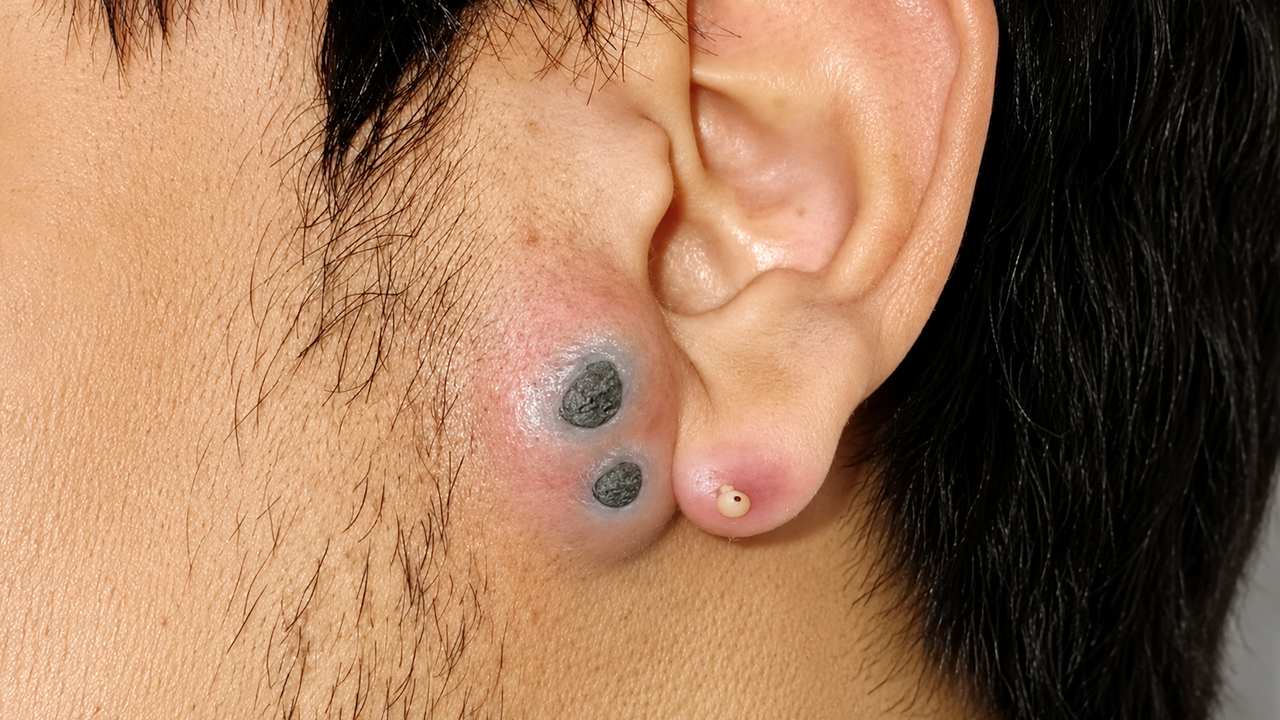
The case shown in this video is a perfect example. What appeared to be a simple swelling near the ear eventually developed into a massive infected abscess. By the time medical professionals examined it, the surrounding tissue had become swollen, inflamed, and under tremendous pressure.
This article explains what happened, why abscesses form, the warning signs everyone should know, how doctors treat these infections, and most importantly—how you can prevent a minor skin problem from turning into a medical emergency.
What Is a Skin Abscess?
A skin abscess is a collection of pus trapped beneath the skin. Pus is made up of:
- Dead white blood cells
- Bacteria
- Dead skin tissue
- Body fluids
When bacteria enter the skin through a tiny cut, blocked pore, ingrown hair, or damaged hair follicle, the body’s immune system immediately responds.
White blood cells rush to fight the infection.
As the battle continues, the infected area begins filling with pus. Because the pus has nowhere to escape, pressure builds beneath the skin.
Eventually the area becomes:
- Swollen
- Red
- Warm
- Extremely tender
- Painful to touch
Without treatment, the infection usually continues growing.
How Does an Abscess Begin?
Many abscesses begin from something surprisingly small.
Common causes include:
- Ingrown hairs
- Acne
- Infected hair follicles
- Small cuts
- Insect bites
- Piercings
- Blocked oil glands
- Sebaceous cysts
In many cases, the person barely remembers how it started.
A tiny infection can slowly worsen over several days or weeks before becoming obvious.
Why Do People Ignore Them?
One reason abscesses become so large is because they often grow slowly.
Early symptoms may include:
- Mild tenderness
- Small bump
- Slight redness
- Occasional discomfort
Since these symptoms aren’t severe, many people wait.
They try:
- Warm towels
- Home remedies
- Antibiotic creams
- Herbal treatments
- Squeezing the lump
Unfortunately, squeezing an infected lump can make the situation worse.
Instead of removing the infection, pressure may push bacteria deeper into surrounding tissue.
What Happens Inside the Body?
As bacteria multiply, the immune system increases its response.
More white blood cells arrive.
More tissue dies.
More pus forms.
Pressure builds continuously beneath the skin.
Eventually, the skin stretches dramatically.
This causes:
- Shiny skin
- Severe swelling
- Increasing pain
- Difficulty moving nearby muscles
Large abscesses may even compress nearby nerves.
Signs That an Abscess Is Becoming Serious
Certain warning signs should never be ignored.
These include:
- Rapid growth
- Severe redness
- Increasing pain
- Fever
- Chills
- Pus drainage
- Bad odor
- Swelling spreading outward
- Difficulty opening the mouth
- Trouble swallowing
- Neck stiffness
If these symptoms appear, immediate medical attention is important.
Why Are Neck Abscesses Especially Dangerous?
The neck contains many vital structures.
Including:
- Major arteries
- Major veins
- Nerves
- Salivary glands
- Airway
- Lymph nodes
An untreated infection in this area can spread rapidly.
Doctors take neck infections seriously because bacteria may travel into deeper spaces surrounding the throat.
In severe cases, swelling can interfere with breathing.
The Examination
When doctors evaluate an abscess, they begin with a physical examination.
They assess:
- Size
- Color
- Warmth
- Tenderness
- Skin changes
- Drainage
- Location
If the infection appears deep, additional imaging may be ordered.
These include:
- Ultrasound
- CT scan
- MRI
Imaging helps determine:
- How deep the infection extends
- Whether nearby structures are involved
- Whether surgery is necessary
Why Antibiotics Alone Often Don’t Work
Many people believe antibiotics can cure every infection.
However, abscesses are different.
Because pus becomes trapped inside a pocket, blood flow into the infected area is limited.
Without adequate blood flow, antibiotics cannot easily reach the bacteria inside.
That is why many abscesses require drainage.
Removing the pus allows healing to begin.
The Drainage Procedure
Doctors typically numb the area with local anesthetic.
Once the skin is numb, a small incision is made over the abscess.
Immediately, trapped pus begins draining.
Sometimes only a small amount comes out.
Other times, a surprisingly large volume is released.
The cavity is then carefully explored to remove additional infected material.
Finally, the wound is cleaned thoroughly.
Large abscesses may be packed with sterile gauze to allow continued drainage.
Why Patients Feel Immediate Relief
One of the most satisfying parts of treatment is the immediate decrease in pressure.
Many patients report:
- Less pain
- Less tightness
- Easier movement
- Improved comfort
This happens because the trapped pressure has finally been released.
Can Abscesses Return?
Yes.
Some people develop recurring abscesses.
Common reasons include:
- Diabetes
- Smoking
- Obesity
- Poor hygiene
- Chronic skin disease
- Immune disorders
- Untreated cysts
If the underlying cause isn’t addressed, new infections may develop.
The Difference Between a Cyst and an Abscess
Many people confuse cysts and abscesses.
A cyst is usually:
- Slow growing
- Filled with keratin or oil
- Not infected
- Usually painless
An abscess is:
- Infected
- Filled with pus
- Painful
- Inflamed
- Often warm
A cyst can become infected.
When that happens, it essentially transforms into an abscess.
Who Is Most at Risk?
Anyone can develop an abscess.
However, risk increases among people with:
- Diabetes
- Poor circulation
- Weak immune systems
- Cancer treatment
- Steroid medication use
- Chronic skin conditions
People who shave frequently may also develop infected hair follicles.
Can You Prevent Skin Abscesses?
While not every infection is preventable, several habits greatly reduce the risk.
These include:
- Washing skin regularly
- Keeping cuts clean
- Avoiding picking pimples
- Treating ingrown hairs properly
- Managing diabetes
- Wearing clean clothing
- Avoiding sharing razors
Simple hygiene goes a long way.
Common Mistakes People Make
One major mistake is attempting to drain the abscess at home.
People sometimes use:
- Needles
- Pins
- Knives
- Fingernails
This is extremely risky.
Improper drainage can:
- Push bacteria deeper
- Cause severe bleeding
- Spread infection
- Leave permanent scars
Professional treatment is much safer.
Healing After Drainage
Recovery usually depends on:
- Size of infection
- Patient health
- Location
- Whether antibiotics are needed
Doctors often recommend:
- Daily dressing changes
- Keeping the wound clean
- Completing prescribed antibiotics
- Follow-up appointments
Healing may take anywhere from several days to several weeks.
Possible Complications
Untreated abscesses can lead to serious complications.
Including:
- Cellulitis
- Tissue destruction
- Bloodstream infection
- Sepsis
- Permanent scarring
- Chronic infection
These complications become more likely the longer treatment is delayed.
The Importance of Early Medical Care
Many large abscesses could have been treated much earlier.
Seeking medical attention when the lump is still small often means:
- Less pain
- Smaller incision
- Faster recovery
- Lower risk of complications
Waiting almost always allows the infection to worsen.