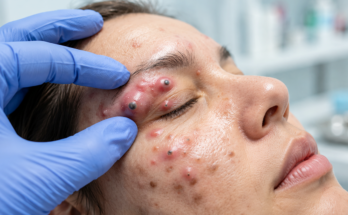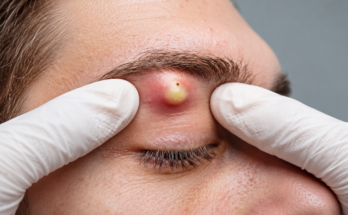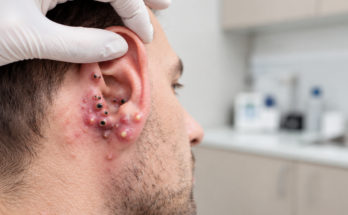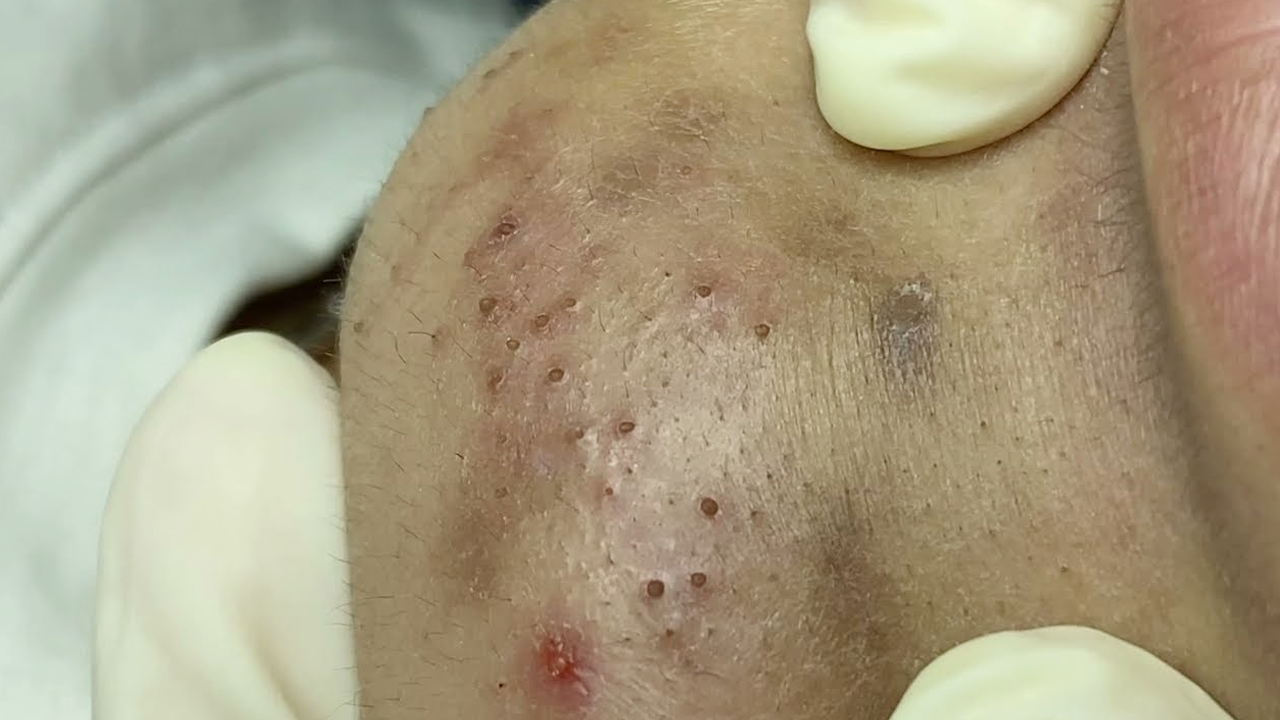
Skin health plays a major role in personal confidence and overall appearance. Among the many skin conditions people experience, blackheads and acne are some of the most common. The image above presents a close-up view of skin showing multiple blackheads, open comedones, clogged pores, and mild acne lesions. Such conditions affect millions of people worldwide regardless of age, gender, or skin type. While acne is often associated with teenagers, adults can also struggle with persistent skin congestion and pore-related problems.
Blackheads are medically known as open comedones. They occur when pores become clogged with excess oil, dead skin cells, and bacteria. Unlike whiteheads, which remain closed beneath the skin surface, blackheads are exposed to air. This exposure causes oxidation, turning the trapped material dark brown or black. The condition is especially common on oily areas of the body such as the nose, chin, forehead, cheeks, shoulders, and back.
Acne develops when hair follicles become blocked by oil and dead skin cells. It may appear in several forms including pimples, pustules, papules, cysts, nodules, whiteheads, and blackheads. The severity can vary from mild occasional breakouts to severe inflammatory acne that causes pain and scarring. In the image, visible inflammation around several clogged pores suggests active irritation and possible bacterial involvement.
The skin naturally produces an oily substance called sebum through sebaceous glands. Sebum is important because it keeps the skin moisturized and protected. However, when the body produces too much oil, pores can become blocked. Hormonal changes are one of the primary causes of increased sebum production. This explains why acne is common during puberty, pregnancy, menstruation, and periods of stress.
Genetics also play an important role in determining skin type and acne susceptibility. Individuals with oily skin or a family history of acne are more likely to experience blackheads and breakouts. Environmental factors such as pollution, humidity, and sweating can worsen skin congestion. Poor skincare habits, using heavy cosmetic products, and not properly cleansing the skin can also contribute to clogged pores.
Diet may influence acne in some individuals. Foods with high sugar content, processed carbohydrates, and dairy products have been linked to acne flare-ups in certain studies. Although diet alone does not directly cause acne, maintaining balanced nutrition may support healthier skin. Drinking enough water, consuming fruits and vegetables, and limiting oily junk food may help reduce inflammation and improve skin condition.
Stress is another major contributor to skin problems. During stressful situations, the body releases hormones such as cortisol, which can increase oil production. This creates a favorable environment for acne development. Lack of sleep, anxiety, and emotional pressure can all negatively affect skin appearance and healing.
Improper skincare practices often worsen blackheads and acne. Overwashing the skin can strip away natural oils, causing the body to produce even more sebum. Harsh scrubbing may irritate the skin and spread bacteria, leading to inflammation. Squeezing pimples or attempting aggressive extractions at home can damage the skin tissue and increase the risk of scarring and infection.
Professional extraction procedures are commonly used to remove blackheads safely. Dermatologists and licensed skincare specialists use sterilized tools to gently extract clogged material from pores. This process reduces congestion while minimizing damage to surrounding skin. The image appears to show a close-up during such a procedure, with gloved hands examining the affected area.
There are several effective treatments available for blackheads and acne. Topical medications containing salicylic acid help exfoliate the skin and clear blocked pores. Benzoyl peroxide targets acne-causing bacteria and reduces inflammation. Retinoids derived from vitamin A encourage faster cell turnover, preventing pores from becoming clogged. These treatments are widely recommended by dermatologists for mild to moderate acne.
Chemical peels are another popular treatment option. During a chemical peel, acids are applied to the skin to remove dead skin cells and stimulate regeneration. This can improve skin texture, reduce blackheads, and minimize acne scars. Regular exfoliation using gentle products may also help keep pores clean and reduce buildup.
For severe acne, dermatologists may prescribe oral medications such as antibiotics, hormonal treatments, or isotretinoin. Antibiotics reduce bacterial growth and inflammation, while hormonal therapies help regulate oil production. Isotretinoin is a powerful medication used for severe cystic acne, though it requires close medical supervision due to potential side effects.
Maintaining a consistent skincare routine is essential for preventing acne and blackheads. Cleansing the skin twice daily with a mild cleanser helps remove dirt, oil, and impurities. Using non-comedogenic moisturizers and sunscreens prevents pore blockage while protecting the skin barrier. Exfoliating once or twice weekly can help remove dead skin cells without causing irritation.
Sun exposure has mixed effects on acne. While some people notice temporary improvement after sun exposure, excessive ultraviolet radiation damages the skin and may worsen inflammation over time. Additionally, sun damage increases the risk of hyperpigmentation and premature aging. Using sunscreen daily is important even for individuals with oily or acne-prone skin.
Hydration also supports healthy skin function. Drinking adequate water helps maintain skin elasticity and may assist the body in flushing toxins. However, water alone cannot cure acne. Proper skincare, healthy lifestyle habits, and medical treatment when necessary remain the most effective approaches.
Acne can have significant emotional and psychological effects. Many individuals experience reduced self-esteem, embarrassment, anxiety, or depression due to visible skin conditions. Social interactions and confidence may be negatively affected, especially when breakouts are severe or persistent. Emotional support and professional treatment can greatly improve both skin health and mental well-being.
Scarring is one of the most concerning complications of acne. Picking or squeezing pimples increases the likelihood of permanent scars. Acne scars may appear as dark spots, raised areas, or depressed indentations in the skin. Treatments such as laser therapy, microneedling, dermabrasion, and fillers can improve scar appearance over time.
Modern dermatology continues to develop advanced treatments for acne and pore congestion. Laser therapies target bacteria and inflammation beneath the skin surface. Blue light therapy reduces acne-causing bacteria, while fractional lasers stimulate collagen production for scar repair. These procedures are often combined with topical treatments for better results.
Natural remedies are sometimes used alongside medical treatments. Tea tree oil, aloe vera, honey, and green tea extracts are believed to have anti-inflammatory or antibacterial properties. While some people find these remedies helpful, they should be used carefully to avoid allergic reactions or irritation. Consulting a dermatologist before trying new treatments is always recommended.
Proper hygiene practices can reduce the risk of worsening acne. Regularly washing pillowcases, avoiding touching the face, cleaning makeup brushes, and removing makeup before sleeping are simple but effective habits. Individuals who wear helmets, masks, or tight clothing may also experience friction-related acne known as acne mechanica.
Hormonal acne is particularly common among women. Breakouts may occur around the jawline, chin, and lower cheeks during menstrual cycles. Conditions such as polycystic ovary syndrome (PCOS) can contribute to persistent hormonal acne. Medical evaluation may be necessary when acne is severe or accompanied by other symptoms such as irregular periods or excessive hair growth.
Teenagers often struggle with acne due to hormonal changes during puberty. Increased androgen levels stimulate sebaceous glands, leading to oily skin and clogged pores. Education about proper skincare and avoiding harmful habits is important during adolescence. Early treatment may help prevent long-term scarring and improve self-confidence.
Adult acne has become increasingly common in recent years. Stressful lifestyles, environmental pollution, hormonal imbalances, and cosmetic products contribute to breakouts in adults. Unlike teenage acne, adult acne often appears around the jawline and may be more inflammatory and persistent.
Blackhead extraction videos and dermatology content have gained popularity on social media platforms. Many viewers find such videos satisfying or educational because they demonstrate the removal of impurities from the skin. However, attempting similar procedures without proper training can damage the skin. Professional guidance is always safer for deep extractions.
The skin is the body’s largest organ and serves as a protective barrier against external threats. Maintaining healthy skin requires consistent care, balanced nutrition, stress management, and appropriate treatment when problems arise. Acne and blackheads may be common, but they should not be ignored when they become severe or emotionally distressing.
Dermatologists recommend patience during acne treatment because visible improvement often takes several weeks. Many treatments initially cause dryness, peeling, or mild irritation before results appear. Consistency is key to achieving long-term improvement. Switching products too frequently may worsen skin sensitivity.
People with darker skin tones may experience post-inflammatory hyperpigmentation after acne heals. These dark spots can persist for months even after breakouts disappear. Sunscreen use and targeted treatments containing niacinamide, azelaic acid, or vitamin C may help fade discoloration gradually.
Understanding individual skin type is important when selecting skincare products. Oily skin may benefit from lightweight gel-based products, while sensitive skin requires fragrance-free and gentle formulations. Using products designed specifically for acne-prone skin can reduce irritation and improve effectiveness.
Acne myths continue to circulate widely. Contrary to popular belief, acne is not caused by poor hygiene alone. Washing the face excessively does not cure acne and may worsen irritation. Chocolate and greasy foods are not direct causes for everyone, though some individuals may notice dietary triggers.
Medical professionals emphasize early intervention for persistent acne. Delaying treatment can increase inflammation and raise the risk of scarring. Seeking help from a dermatologist allows individuals to receive personalized treatment plans tailored to their skin condition and lifestyle.
The image of blackheads and inflamed pores highlights a common dermatological concern experienced by people around the world. While acne and clogged pores may seem minor, they can significantly affect physical appearance and emotional well-being. Fortunately, modern skincare science offers numerous safe and effective treatments to manage these conditions.
In conclusion, blackheads and acne result from a combination of excess oil production, clogged pores, bacteria, hormonal changes, genetics, and environmental influences. Proper skincare, professional treatment, healthy lifestyle habits, and patience are essential for improving skin health. Whether through topical medications, dermatological procedures, or preventive care, individuals can successfully manage acne and maintain clearer, healthier skin over time.