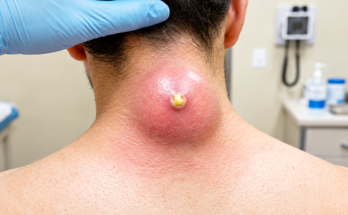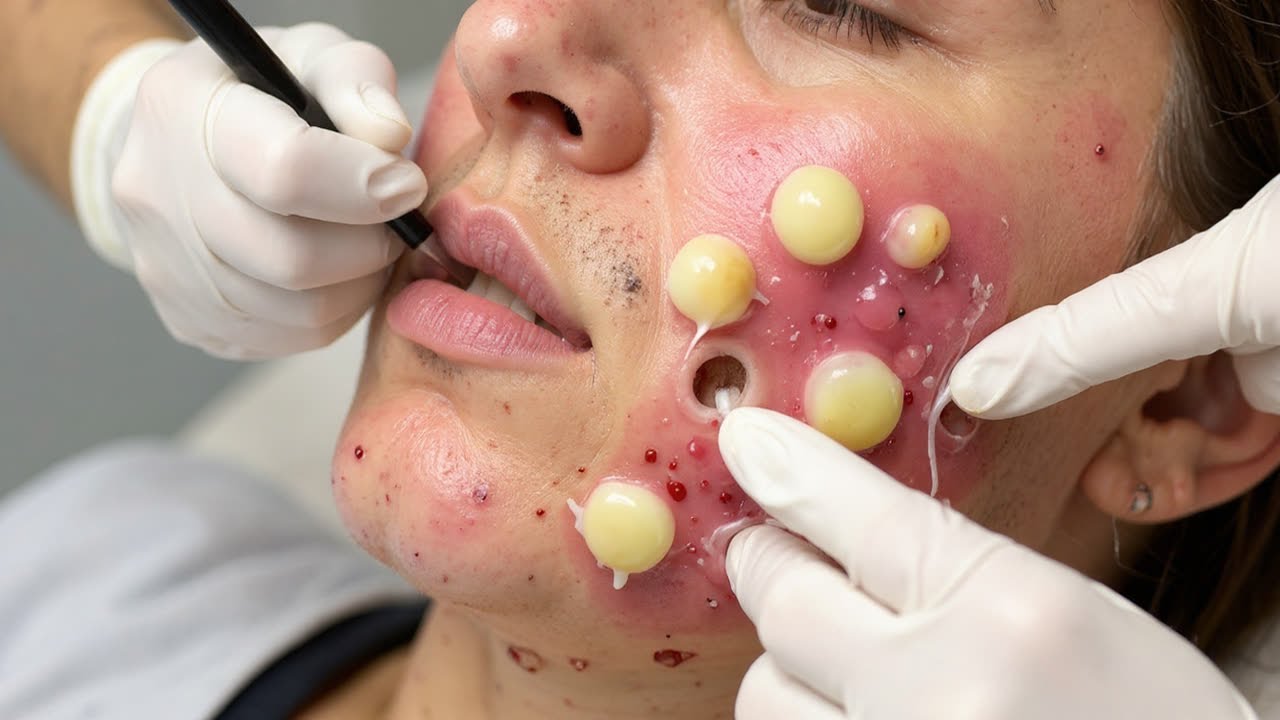
A deep pore cleaning session is one of the most refreshing and calming skincare treatments you can give your skin. Beyond the satisfying feeling of removing buildup, this process focuses on gentle exfoliation, detoxification, and restoring balance to the skin. For many people, deep pore cleaning isn’t just about improving appearance—it’s a relaxing ritual that helps reduce stress while promoting healthier, clearer skin. Understanding how the process works, why it’s effective, and how to perform it safely at home can help you get the most out of every session.
Why Deep Pore Cleaning Matters
Your skin is constantly exposed to oil, sweat, dust, dead skin cells, and environmental pollutants. Over time, these impurities can accumulate inside pores, leading to congestion, blackheads, whiteheads, and breakouts. Even if you wash your face daily, surface cleansing may not fully penetrate deeper layers where buildup hides.
Deep pore cleaning provides a more thorough cleanse, helping to:
-
Remove trapped debris and excess sebum
-
Reduce congestion that leads to blackheads
-
Minimize the appearance of enlarged pores
-
Improve product absorption
-
Restore a smooth, healthy texture
-
Support long-term acne prevention
The result isn’t just clearer skin—you also experience a sense of relaxation and relief as tension melts away during the process.
Step 1: Preparing the Skin
A good deep pore cleaning session always begins with proper preparation. Start by washing your face with a gentle cleanser to remove surface dirt and makeup. Opt for a formula that doesn’t strip your skin—hydrating gel cleansers or low-foam cleansers are ideal for keeping the barrier healthy.
After cleansing, warm the skin to loosen buildup inside pores. This step is crucial because warmth opens the pores slightly, making it easier to draw out impurities. You can achieve this by:
-
Taking a warm shower beforehand
-
Using a warm, damp towel for 3–5 minutes
-
Using a facial steamer for 5–10 minutes
This step also increases blood circulation, helping your skin absorb nutrients better.
Step 2: Gentle Exfoliation
Exfoliation removes dead skin cells that block pores and dull the complexion. A deep pore cleaning session often uses chemical exfoliants rather than harsh physical scrubs, which can irritate or scratch the skin.
Effective exfoliants include:
-
Salicylic Acid (BHA): Excellent for oily and acne-prone skin; penetrates deep into pores.
-
Glycolic Acid (AHA): Helps smooth texture and boost cell turnover.
-
Lactic Acid: Gentle option for sensitive skin.
Apply exfoliants carefully according to instructions. Over-exfoliating can damage the skin barrier, so moderation is key. The goal is to loosen buildup, not strip the skin.
Step 3: Deep Pore Cleansing Techniques
Once the skin is softened and exfoliated, the deep cleansing process begins. This part varies depending on whether you’re at home or visiting a professional.
At-Home Deep Cleaning
At home, focus on safe and non-invasive methods:
-
Clay Masks: Draw out impurities and absorb oil.
-
Charcoal Masks: Help detoxify congested areas.
-
Pore Vacuum Devices: Use only on low suction to avoid bruising.
-
Enzyme Masks: Dissolve debris naturally for a mild but effective clean.
These tools and products help lift impurities without forcing or squeezing the pores, which reduces the risk of inflammation.
Professional Deep Cleaning
During a spa or dermatologist session, the experience is more detailed and relaxing. Professionals may use:
-
Steamers
-
Ultrasonic scrubbers
-
Professional exfoliation
-
Targeted extraction techniques
-
High-frequency treatments to kill bacteria
The process is precise, hygienic, and much safer than DIY extraction.
Step 4: Soothing and Calming the Skin
After deep cleansing, the skin needs comfort. Pores are freshly cleaned, and the skin may feel tender or warm. Applying soothing products helps restore balance and reduce irritation.
Top soothing ingredients include:
-
Aloe vera
-
Centella asiatica (CICA)
-
Green tea extract
-
Niacinamide
-
Chamomile
-
Hyaluronic acid
Many people enjoy using a cool jade roller or gua sha stone at this stage. These tools help reduce puffiness, calm redness, and enhance relaxation.
Step 5: Hydration and Moisture Lock-In
Deep pore cleaning can temporarily reduce moisture levels in the skin. Replenishing hydration is essential to maintain barrier health.
Use:
-
A lightweight hydrating serum
-
A non-comedogenic moisturizer
-
A facial oil (optional) for added nourishment
Sealing in moisture ensures your skin stays soft, plump, and protected.
The Relaxing Side of Deep Pore Cleaning
One reason deep pore cleaning sessions are so popular online is the sense of satisfaction they provide. The process is slow, methodical, and visually calming. For many, it becomes a form of self-care—something that clears both pores and the mind.
During a session, people often enjoy:
-
Soft background music
-
Aromatherapy with lavender or eucalyptus
-
Warm lighting
-
Quiet, focused attention on the sensation of cleansing
This creates a spa-like atmosphere even at home, making the entire experience soothing and stress-relieving.
How Often Should You Do Deep Pore Cleaning?
-
Oily or acne-prone skin: Once every 1–2 weeks
-
Normal or combination skin: Every 2–3 weeks
-
Dry or sensitive skin: Once a month
Overdoing it can irritate the skin, so maintaining balance is key.
Final Thoughts
A relaxing deep pore cleaning session is more than skincare—it’s a ritual of cleansing, calming, and caring for yourself. When done safely and gently, it refreshes your skin, reduces congestion, and promotes long-term clarity. Whether you choose to do it at home or visit a professional, the benefits go beyond appearance, offering a peaceful moment of relaxation in your routine.