The human nose is one of the most noticeable features of the face. Because it contains delicate skin, cartilage, blood vessels, and oil glands, it can develop a wide range of skin problems. While many small bumps on the nose are harmless, a rapidly growing, painful, swollen lump should never be ignored.
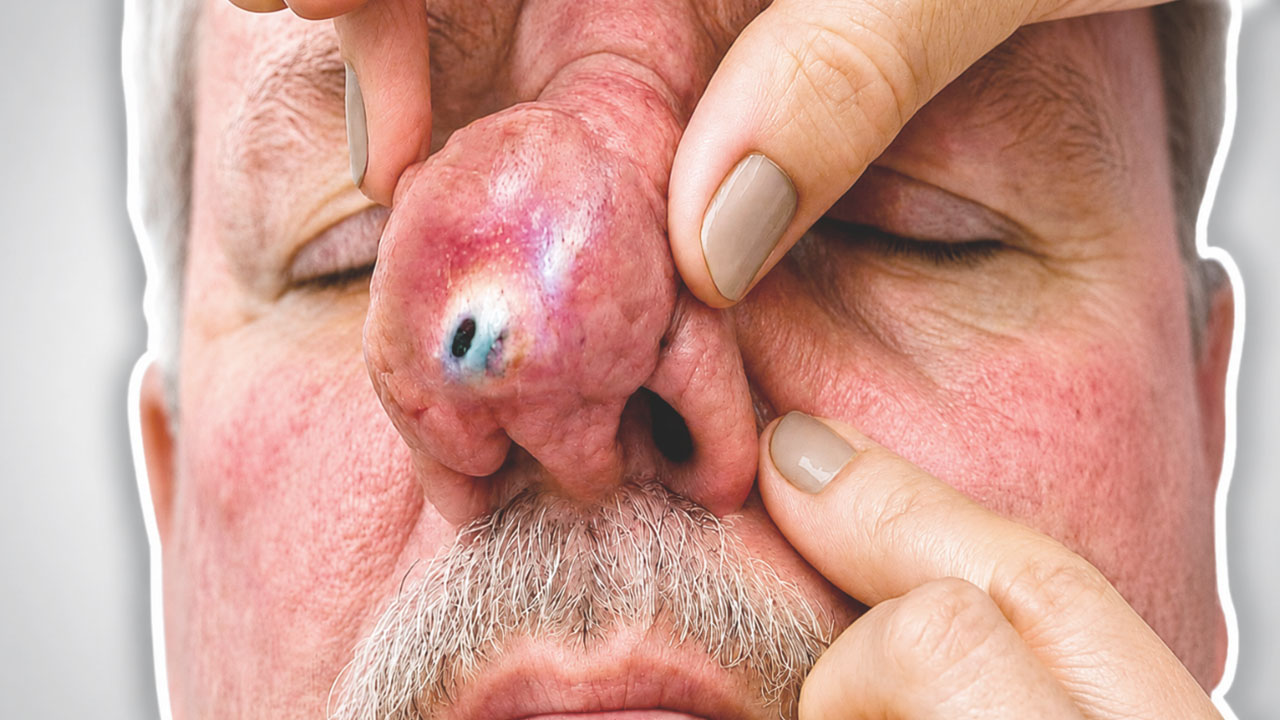
Images of severe nose swelling often spread quickly across social media because they are dramatic and surprising. However, behind every unusual skin condition is a real person who may be experiencing pain, infection, or another medical condition that requires professional care.
This article explains the most common reasons a person may develop a large swollen lump on the nose, the symptoms to watch for, available treatments, and why early medical evaluation is important.
Understanding Nose Swelling
The nose is covered with skin that contains numerous oil glands and hair follicles. These structures can become blocked or infected, leading to inflammation. The nose also has a rich blood supply, meaning infections in this area can sometimes become serious if left untreated.
A swollen nose can appear suddenly over a few hours or develop slowly over weeks or months. The appearance varies depending on the underlying cause.
Common symptoms include:
- Redness
- Swelling
- Pain or tenderness
- Warm skin
- Pus or drainage
- Skin discoloration
- Bleeding
- Difficulty breathing through the nostril
The exact cause determines the appropriate treatment.
Possible Causes of a Large Lump on the Nose
1. Infected Cyst
One of the most common causes is an infected epidermoid or sebaceous cyst.
These cysts form beneath the skin when dead skin cells become trapped. Normally they are harmless and painless, but if bacteria enter the cyst, infection can occur.
Symptoms include:
- Rapid swelling
- Redness
- Warm skin
- Severe tenderness
- White or yellow drainage
- Foul odor
An infected cyst often requires drainage and antibiotics prescribed by a healthcare professional.
2. Skin Abscess
A skin abscess is a collection of pus caused by bacterial infection.
Abscesses often begin as small pimples or infected hair follicles before becoming much larger.
Typical signs include:
- Soft center filled with pus
- Bright red surrounding skin
- Severe pain
- Fever in severe cases
- Thick drainage
Attempting to squeeze an abscess at home may worsen the infection.
3. Boil (Furuncle)
Boils develop when bacteria infect hair follicles.
The nose contains tiny hairs that can become infected, especially after:
- Nose picking
- Hair plucking
- Minor injuries
- Poor hygiene
Boils become increasingly painful as they enlarge.
Some eventually drain naturally, while others require medical treatment.
4. Cellulitis
Cellulitis is a bacterial infection affecting deeper layers of skin.
Unlike a boil, cellulitis spreads through surrounding tissues.
Symptoms include:
- Expanding redness
- Swelling
- Pain
- Warmth
- Fever
- Fatigue
Because the infection can spread rapidly, prompt medical care is important.
5. Rosacea
Rosacea is a chronic inflammatory skin condition affecting millions of adults.
Over time, untreated rosacea can cause thickened skin, particularly on the nose.
A severe form called rhinophyma causes:
- Enlarged nose
- Thick skin
- Bumpy surface
- Enlarged pores
- Red coloration
Although not usually dangerous, rhinophyma can significantly affect appearance and quality of life.
6. Skin Cancer
Some cancers can develop on the nose because it receives significant sun exposure.
Possible warning signs include:
- Non-healing sore
- Persistent ulcer
- Bleeding lesion
- Raised bump
- Skin color changes
The most common skin cancers include:
- Basal cell carcinoma
- Squamous cell carcinoma
- Melanoma
Early detection greatly improves treatment outcomes.
7. Benign Skin Growths
Not every large bump is cancerous.
Some harmless growths include:
- Lipomas
- Fibromas
- Dermoid cysts
- Benign tumors
Even non-cancerous growths should be evaluated if they grow rapidly or become painful.
Warning Signs That Require Immediate Medical Attention
Medical evaluation is recommended if any of the following occur:
- Rapid enlargement
- Severe pain
- High fever
- Vision changes
- Difficulty breathing
- Pus drainage
- Black discoloration
- Persistent bleeding
- Swelling spreading toward the eyes
- Confusion or severe illness
Because the nose is located near important blood vessels, untreated infections can occasionally become serious.
How Doctors Diagnose Nose Lumps
Healthcare providers usually begin with:
Medical History
Questions may include:
- When did the lump appear?
- Is it painful?
- Has it changed size?
- Has it drained?
- Have you had fever?
Physical Examination
The doctor evaluates:
- Size
- Color
- Temperature
- Firmness
- Drainage
- Skin changes
Additional Tests
Depending on the situation:
- Blood tests
- Ultrasound
- CT scan
- MRI
- Skin biopsy
- Bacterial culture
These tests help determine the exact cause.
Treatment Options
Treatment depends entirely on the diagnosis.
Antibiotics
Used for bacterial infections.
Patients should always complete the full course as prescribed.
Drainage
Large abscesses often require incision and drainage by trained medical professionals.
Surgery
Some cysts and tumors require surgical removal.
Steroid Medication
Certain inflammatory conditions improve with steroid injections or topical medications.
Laser Therapy
Rosacea-related skin thickening may respond to laser treatment.
Cancer Treatment
If cancer is diagnosed, treatment may involve:
- Surgical removal
- Mohs surgery
- Radiation therapy
- Targeted medications
Home Care Tips
While waiting for medical evaluation:
- Keep the area clean.
- Avoid squeezing the lump.
- Do not puncture it with needles.
- Wash hands frequently.
- Use warm compresses only if advised by a healthcare professional.
- Avoid harsh skin products.
Improper self-treatment may worsen infection.
Prevention
Although not all nose conditions can be prevented, healthy habits reduce risk.
These include:
- Daily facial cleansing
- Avoid picking the nose
- Protect skin from excessive sunlight
- Wear sunscreen
- Manage acne early
- Treat rosacea promptly
- Avoid smoking
- Eat a balanced diet
- Stay hydrated
Regular skin examinations can help identify concerning changes early.
Frequently Asked Questions
Can a large nose lump disappear on its own?
Some small cysts or inflamed follicles improve naturally, but persistent, enlarging, or painful lumps should be evaluated by a healthcare professional.
Is every swollen nose infection dangerous?
No. Many infections are minor, but because of the nose’s anatomy, some infections can spread and require prompt treatment.
Should I squeeze a painful lump?
No. Squeezing may force bacteria deeper into the tissue, increase swelling, and delay healing.
Can skin cancer look like a pimple?
Yes. Certain skin cancers may resemble pimples or sores that do not heal. Any persistent lesion should be assessed by a healthcare provider.
When should I see a doctor?
Seek medical attention if the lump grows quickly, becomes very painful, drains pus, causes fever, bleeds repeatedly, or does not improve within several days.
Conclusion
Large swollen lumps on the nose can have many different causes, ranging from infected cysts and boils to chronic inflammatory conditions or, less commonly, skin cancer. Because many conditions look similar in photographs, it is not possible to determine the exact diagnosis from an image alone.
The most important step is early medical evaluation, especially if the swelling is painful, enlarging, or accompanied by fever or drainage. Prompt diagnosis allows appropriate treatment and can prevent complications.
Remember that online images and videos can provide general educational information, but they should never replace examination by a qualified healthcare professional. If you or someone you know develops a concerning swelling on the nose, consult a healthcare provider for an accurate diagnosis and personalized treatment plan.