Skin infections are more common than many people realize. What often begins as a tiny pimple, an ingrown hair, or a small scratch can sometimes develop into a painful abscess requiring professional medical treatment. While many people ignore the early warning signs, delaying treatment can allow bacteria to spread deeper into the skin, increasing pain, swelling, and the risk of serious complications.
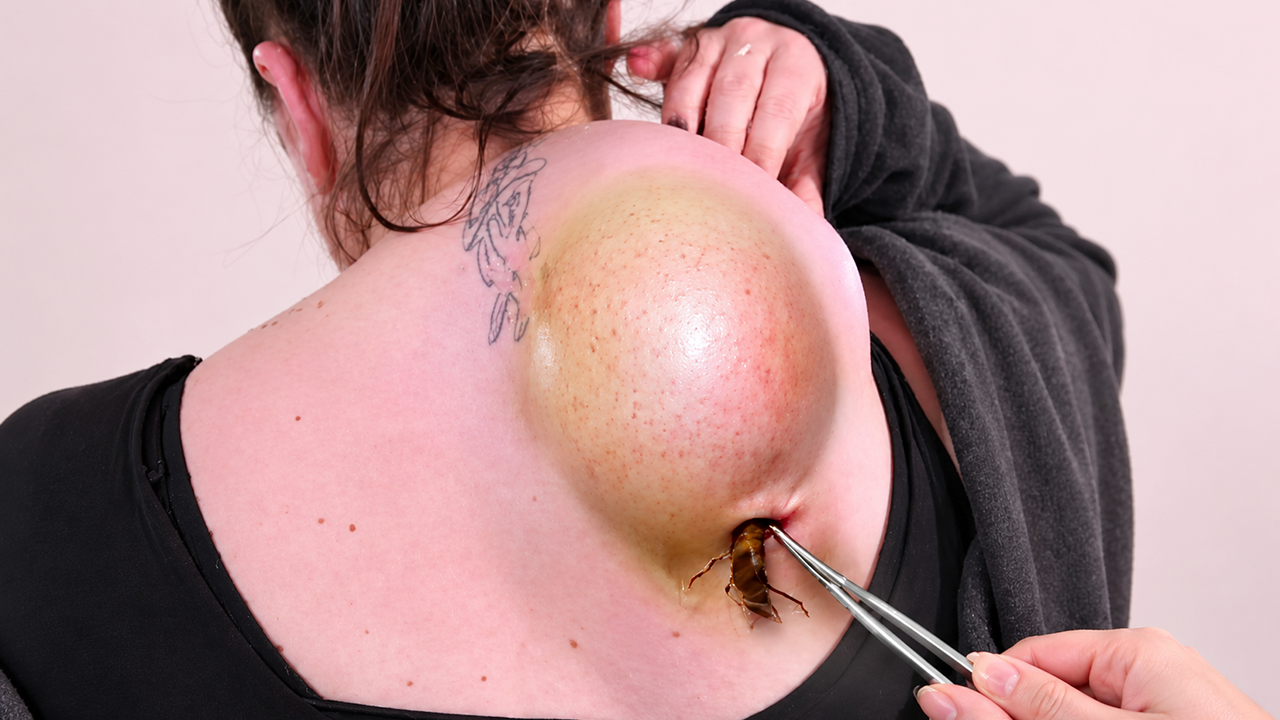
In today’s story, we’ll explore the shocking case of a massive neck abscess that left even experienced medical professionals surprised. More importantly, we’ll explain why these infections happen, what symptoms you should never ignore, and how modern medicine safely treats these conditions.
What Is an Abscess?
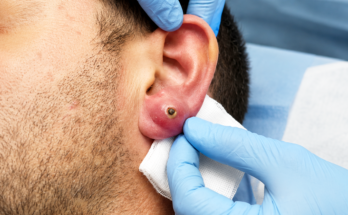
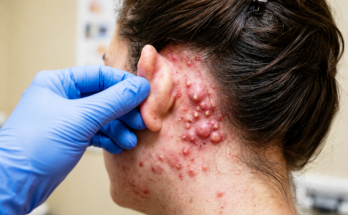
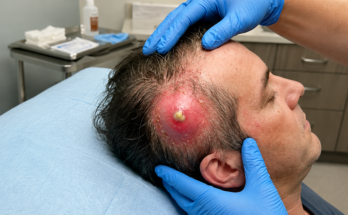
An abscess is a collection of pus that forms when the body’s immune system fights a bacterial infection. White blood cells rush to the infected area, destroying bacteria but also creating dead tissue, fluid, and pus.
Instead of spreading throughout the body, the immune system often walls off the infection, creating a swollen pocket beneath the skin.
Abscesses can occur almost anywhere, including:
- Neck
- Face
- Back
- Shoulders
- Armpits
- Legs
- Groin
- Inside organs
Although some are small, others can grow surprisingly large if left untreated.
The Beginning of the Problem
Imagine noticing a tiny bump near your neck.
At first it feels harmless.
Maybe it hurts slightly.
Maybe it feels like a bug bite.
Perhaps you assume it will disappear within a few days.
Many people simply ignore it.
Unfortunately, bacteria may already be multiplying beneath the skin.
As days pass, the swelling becomes larger.
The area becomes warm.
Touching it becomes painful.
Sleeping becomes difficult.
Turning your head hurts.
Still, some people wait.
That delay can make the infection much worse.
How Skin Infections Start
Most abscesses are caused by bacteria entering through tiny breaks in the skin.
Common causes include:
- Ingrown hairs
- Acne
- Small cuts
- Scratches
- Insect bites
- Shaving injuries
- Blocked oil glands
- Sweat gland infections
The most common bacteria involved is Staphylococcus aureus, including antibiotic-resistant strains known as MRSA.
Once bacteria become trapped beneath the skin, the immune system begins attacking them.
That battle creates pus.
Pressure builds.
Pain increases.
The lump continues growing.
Warning Signs
Many people mistake an abscess for a simple pimple.
However, there are several warning signs that indicate something more serious.
Symptoms include:
- Growing lump
- Severe pain
- Redness
- Warm skin
- Swelling
- Fever
- Fatigue
- Pus drainage
- Difficulty moving nearby muscles
If the infection is located on the neck, face, or spine, immediate medical evaluation is especially important.
Why Neck Abscesses Are Dangerous
The neck contains many vital structures.
These include:
- Major blood vessels
- Nerves
- Airways
- Lymph nodes
- Muscles
- Salivary glands
A deep infection can spread quickly.
In severe cases it may affect breathing.
It may spread into the chest.
It may even enter the bloodstream.
This condition, called sepsis, can become life-threatening.
That is why doctors take neck infections very seriously.
The Patient Waited Too Long
The patient first noticed a small painful bump.
Instead of seeking medical care, they tried home remedies.
Warm towels.
Over-the-counter creams.
Pain medication.
Internet advice.
Weeks passed.
The swelling doubled.
Then tripled.
Soon it became difficult to sleep.
Shirts rubbed painfully against the swollen area.
Family members urged the patient to visit the hospital.
Finally, the pain became unbearable.
The Hospital Examination
Doctors immediately noticed the large swelling.
The skin appeared stretched.
It was warm to the touch.
The patient reported increasing pain and fever.
Blood tests showed signs of infection.
Imaging studies helped determine how deep the abscess extended beneath the skin.
The results surprised everyone.
The infection had formed a massive pocket of pus.
Without treatment, it could have caused far more serious complications.
Why Doctors Don’t Simply “Pop” Large Abscesses
Many online videos make draining abscesses look simple.
In reality, doctors evaluate several important factors first.
They determine:
- Size
- Depth
- Nearby blood vessels
- Nerves
- Underlying cause
- Signs of spreading infection
Large abscesses often require sterile equipment, local anesthesia, and sometimes surgery.
Attempting to drain one at home can push bacteria deeper into tissue or introduce new bacteria into the wound.
The Treatment
After numbing the area, the physician carefully created a small incision.
Immediately, thick pus began draining from the abscess.
Large amounts of infected material were removed.
The cavity was gently irrigated using sterile saline.
Doctors sometimes place special medical packing inside the cavity.
This prevents the skin from sealing too early while deeper infection remains trapped.
The patient also received antibiotics because of the severity of the infection.
Why Antibiotics Alone Usually Aren’t Enough
Many people think antibiotics cure every infection.
However, abscesses are different.
Because pus collects inside a sealed pocket, antibiotics often cannot penetrate effectively.
That is why drainage is usually the most important treatment.
Once the pus is removed, antibiotics work much better.
Recovery
Within days, the patient’s pain improved dramatically.
The swelling gradually decreased.
The redness faded.
Daily wound care helped the cavity heal from the inside outward.
Doctors monitored for signs of recurring infection.
Over several weeks, healthy tissue slowly filled the empty space.
Eventually only a small scar remained.
What Happens If an Abscess Is Ignored?
Ignoring an abscess can lead to serious complications.
Possible problems include:
- Larger infection
- Tissue destruction
- Permanent scarring
- Spread into muscles
- Bone infection
- Bloodstream infection
- Sepsis
- Organ damage
Fortunately, prompt treatment greatly reduces these risks.
Can Abscesses Return?
Yes.
Some people experience recurrent abscesses.
Common risk factors include:
- Diabetes
- Smoking
- Poor hygiene
- Obesity
- Immune system disorders
- Chronic skin conditions
- Repeated friction
Treating underlying health conditions helps reduce recurrence.
Preventing Skin Infections
Good skin care goes a long way toward prevention.
Simple habits include:
- Wash cuts promptly.
- Keep wounds clean and covered.
- Avoid picking at pimples.
- Treat ingrown hairs carefully.
- Wash hands frequently.
- Avoid sharing towels or razors.
- Wear clean clothing after exercise.
- Seek medical attention if redness spreads.
Myths About Abscesses
Myth 1: It Will Always Burst on Its Own
Some do.
Many do not.
Waiting too long can allow infection to worsen.
Myth 2: Squeezing It Helps
Actually, squeezing can force bacteria deeper beneath the skin.
This may worsen the infection.
Myth 3: Antibiotics Always Fix It
Not necessarily.
Most significant abscesses require drainage.
Myth 4: It’s Just a Big Pimple
While some begin similarly, abscesses involve deeper infection and often require medical care.
When Should You See a Doctor?
Seek medical attention if you notice:
- Rapidly growing swelling
- Severe pain
- Fever
- Red streaks
- Difficulty swallowing
- Difficulty breathing
- Persistent drainage
- Swelling near the eyes or neck
These symptoms may indicate a more serious infection requiring immediate evaluation.
The Importance of Early Treatment
Early treatment often means:
- Smaller procedure
- Faster healing
- Less pain
- Lower medical costs
- Lower risk of complications
- Better cosmetic outcome
Waiting almost always allows the infection to grow larger.
Lessons From This Case
This remarkable case serves as an important reminder that our bodies often provide warning signs long before a medical problem becomes dangerous.
A painful lump is not something to ignore.
While not every bump is serious, rapidly growing swelling, increasing pain, fever, or drainage should always be evaluated by a healthcare professional.
Modern medicine has highly effective treatments for abscesses, and most people recover well when they receive timely care.
Ignoring the problem, however, can turn a small infection into a major medical emergency.