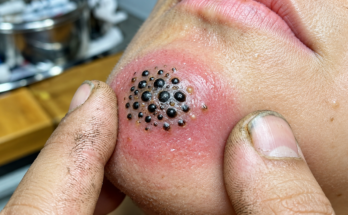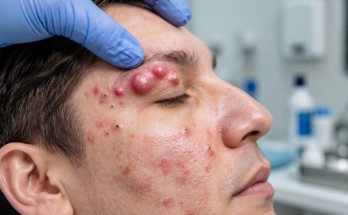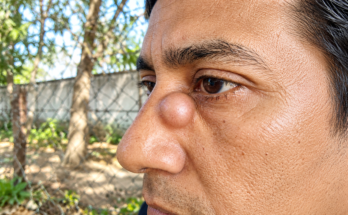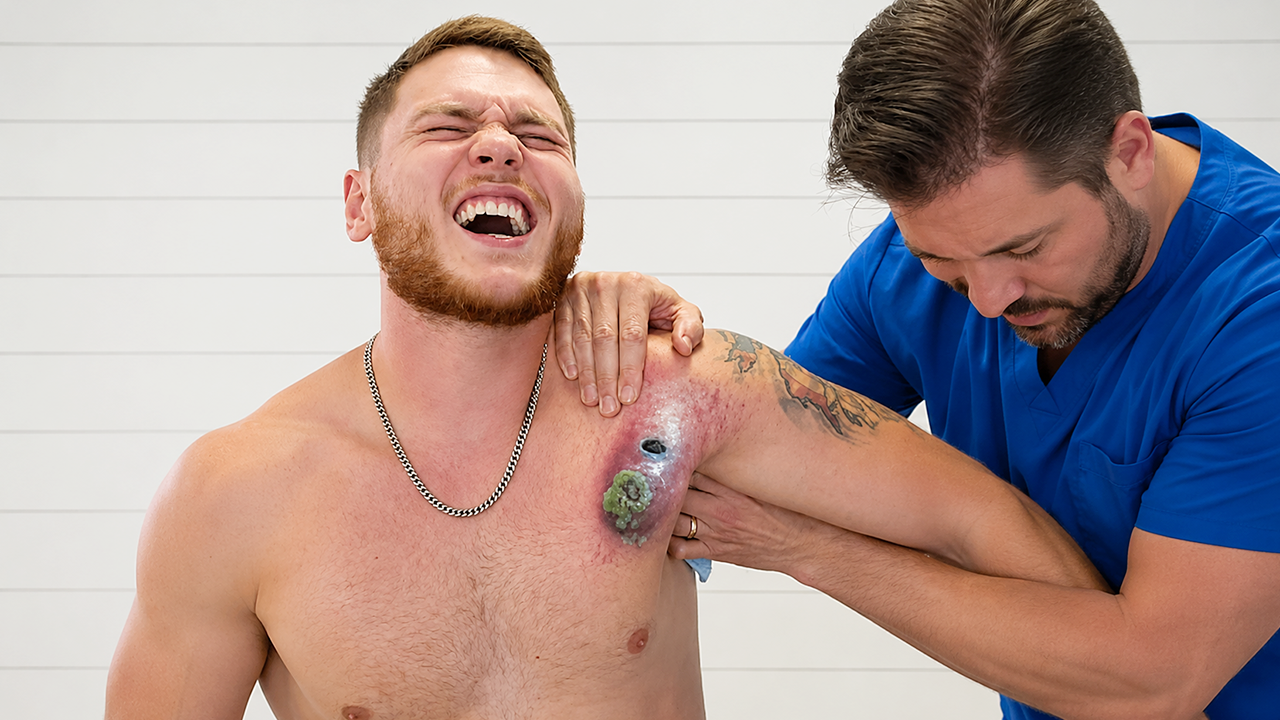
Skin infections are among the most common medical conditions worldwide, yet they are also some of the most frequently ignored. What often begins as a small, seemingly harmless bump under the arm can rapidly transform into a massive underarm abscess—a painful, pus-filled pocket that not only causes intense discomfort but can also lead to serious systemic complications if left untreated. The underarm, or axillary region, is particularly vulnerable to infections due to its warm, moist environment, abundance of sweat glands, hair follicles, and constant friction from clothing and movement.
This article explores the painful truth behind ignoring underarm skin infections, examining the causes, symptoms, risks, treatment options, and preventive measures associated with axillary abscesses. Understanding these aspects is critical—not just for medical professionals, but for anyone who has ever dismissed a lump under their arm as “nothing serious.”
What Is an Underarm Abscess?
An abscess is a localized collection of pus that forms within tissue as a result of an infection, typically bacterial. When this occurs in the underarm area, it is referred to as an axillary abscess. The pus consists of dead white blood cells, bacteria, and tissue debris—a byproduct of the body’s immune response fighting off the invading pathogens.
Underarm abscesses can range from small, pea-sized bumps to enormous, grapefruit-sized masses that severely restrict arm movement. In the most extreme cases, they may burrow deep into surrounding tissues, forming abscess cavities that require surgical intervention.
Common Bacteria Responsible
The most frequent culprits behind underarm abscesses include:
- Staphylococcus aureus (including MRSA – Methicillin-Resistant Staphylococcus aureus)
- Streptococcus species
- Escherichia coli (in rare cases)
- Anaerobic bacteria (particularly in deep or chronic abscesses)
MRSA infections, in particular, have become a growing concern due to their resistance to standard antibiotic treatments, making early diagnosis and proper medical care essential.
Causes of Underarm Abscesses
Understanding why abscesses form in the underarm is key to prevention. Several factors contribute to their development:
1. Blocked Hair Follicles (Folliculitis)
Hair follicles in the underarm can become clogged with sweat, dead skin cells, or bacteria. When this happens, folliculitis develops—an inflammation that can progress into a boil (furuncle) and eventually a full-blown abscess.
2. Shaving and Waxing
Hair removal methods commonly used in the axillary region often cause micro-tears in the skin. These tiny wounds serve as entry points for bacteria, especially when shaving tools are not properly sanitized or when the same razor is used repeatedly.
3. Excessive Sweating (Hyperhidrosis)
The underarms contain a high concentration of apocrine sweat glands, which produce a thicker, protein-rich sweat. This creates an ideal environment for bacterial growth, especially in individuals with hyperhidrosis.
4. Poor Hygiene
Failing to wash the underarms regularly, or wearing unwashed clothing, allows bacteria and dead skin cells to accumulate, increasing the risk of infection.
5. Hidradenitis Suppurativa (HS)
This chronic skin condition causes recurrent, painful lumps and abscesses in areas with apocrine glands, including the underarms, groin, and buttocks. HS can lead to scarring, tunnels beneath the skin (sinus tracts), and severely diminished quality of life.
6. Weakened Immune System
People with diabetes, HIV/AIDS, cancer, or those on immunosuppressive medications are more susceptible to skin infections and abscesses due to their compromised ability to fight off pathogens.
7. Obesity and Skin Friction
Excess body weight can lead to skin folds where moisture becomes trapped, promoting bacterial growth. Friction between skin layers may also cause irritation and micro-abrasions.
Recognizing the Symptoms
An underarm abscess doesn’t appear overnight. It typically develops through recognizable stages, and being able to identify these signs early can prevent the condition from worsening.
Early Symptoms
- A small, tender lump beneath the skin
- Redness and warmth around the area
- Mild itching or discomfort
- Slight swelling
Progressing Symptoms
- Increased size of the lump
- Throbbing pain, especially with arm movement
- Visible pus formation under the skin
- Skin becoming shiny and taut over the affected area
- Fever and chills (systemic response)
Severe Symptoms
- A large, hard, extremely painful mass
- Pus draining from the site
- Restricted arm mobility
- High fever, fatigue, and body aches
- Swollen lymph nodes
- Streaks of red spreading from the abscess (a sign of cellulitis or blood infection)
The Painful Truth: What Happens When You Ignore It
Many individuals hesitate to seek medical treatment for an underarm abscess, either out of embarrassment, fear of pain, or the mistaken belief that it will heal on its own. While some minor infections may resolve without intervention, ignoring a growing abscess can lead to severe—sometimes life-threatening—complications.
1. Massive Enlargement
Without treatment, an abscess can grow dramatically, sometimes reaching the size of an orange or larger. The larger it becomes, the more difficult and painful it is to treat. Movement of the arm becomes nearly impossible, and daily activities like dressing, driving, or working become excruciating.
2. Spread of Infection (Cellulitis)
Bacteria can spread from the abscess into the surrounding tissues, causing cellulitis—a diffuse skin infection that produces widespread redness, swelling, and pain. Cellulitis requires prompt antibiotic treatment and, if untreated, can progress further.
3. Sepsis: A Life-Threatening Condition
Perhaps the most dangerous consequence of an ignored abscess is sepsis, a systemic inflammatory response to infection. When bacteria enter the bloodstream, they can trigger sepsis, which may lead to septic shock, organ failure, and death. Symptoms of sepsis include:
- High fever or dangerously low body temperature
- Rapid heart rate and breathing
- Confusion or disorientation
- Extreme fatigue
- Low blood pressure
4. Formation of Sinus Tracts
Chronic or recurrent abscesses can lead to the formation of sinus tracts—tunnels that develop between abscess cavities and the skin surface. These tracts continuously drain pus and are extremely difficult to treat, often requiring surgical excision.
5. Scarring and Disfigurement
Untreated abscesses often heal with significant scarring. In cases of hidradenitis suppurativa or recurrent MRSA infections, the underarm can develop deep, permanent scars that affect both appearance and mobility.
6. Necrotizing Fasciitis (Rare but Fatal)
In rare cases, particularly with virulent bacterial strains, the infection can develop into necrotizing fasciitis, commonly known as “flesh-eating disease.” This is a medical emergency requiring immediate surgical intervention and aggressive antibiotics.
Diagnosis: How Doctors Identify Abscesses
When a patient presents with a suspected underarm abscess, healthcare professionals typically follow a systematic diagnostic approach:
Physical Examination
The doctor will inspect the affected area, checking for redness, swelling, warmth, tenderness, and fluctuance (a fluid-filled sensation upon palpation).
Ultrasound Imaging
Ultrasound is often used to determine the depth, size, and content of the abscess, helping guide drainage procedures.
Pus Culture
A sample of the drained pus is sent to a laboratory to identify the specific bacteria involved and determine antibiotic sensitivity. This is crucial for treating antibiotic-resistant strains like MRSA.
Blood Tests
If systemic infection is suspected, blood tests including complete blood count (CBC), C-reactive protein (CRP), and blood cultures may be performed.
Treatment Options
The good news is that when addressed promptly, underarm abscesses are highly treatable. Treatment strategies vary based on the size, severity, and cause of the abscess.
1. Warm Compresses
For very small, early-stage abscesses, applying warm compresses several times daily can promote drainage and healing. However, this is only appropriate for minor cases and should not replace medical evaluation for larger abscesses.
2. Incision and Drainage (I&D)
The gold standard treatment for most abscesses is incision and drainage. Under local anesthesia, the doctor makes a small incision to allow pus to escape, then cleans the cavity thoroughly. The wound is often packed with sterile gauze to promote continued drainage and prevent premature closure.
3. Antibiotic Therapy
Antibiotics may be prescribed, especially in cases involving:
- Large or multiple abscesses
- Signs of cellulitis or systemic infection
- Immunocompromised patients
- Suspected MRSA infection
Common antibiotics include cephalexin, clindamycin, trimethoprim-sulfamethoxazole, and doxycycline, depending on the bacteria involved.
4. Surgical Excision
For chronic, recurrent, or severe cases—particularly those associated with hidradenitis suppurativa—surgical removal of the affected tissue may be necessary. This can involve wide excision followed by skin grafting or flap reconstruction.
5. Advanced Therapies for HS
Newer treatments for hidradenitis suppurativa include:
- Biologic medications like adalimumab (Humira)
- Laser therapy to destroy hair follicles
- Hormonal therapy in some female patients
Home Care and Recovery
After medical treatment, proper wound care at home is essential for recovery:
- Keep the wound clean and dry
- Change dressings regularly as instructed
- Complete the full course of antibiotics, even if symptoms improve
- Avoid tight clothing that may irritate the area
- Monitor for signs of recurrence such as new lumps, redness, or fever
- Practice good hygiene and shower daily with antibacterial soap
Prevention: Reducing Your Risk
Preventing underarm abscesses is far easier—and less painful—than treating them. Follow these strategies to minimize your risk:
1. Maintain Good Hygiene
Wash your underarms daily with mild soap and water. Dry the area thoroughly to prevent moisture buildup.
2. Practice Safe Hair Removal
- Use clean, sharp razors
- Shave in the direction of hair growth
- Never share razors
- Consider alternatives like electric trimmers or laser hair removal
3. Wear Breathable Clothing
Choose loose-fitting, moisture-wicking fabrics like cotton to reduce sweat accumulation and friction.
4. Manage Underlying Conditions
If you have diabetes, obesity, or immune disorders, work with your healthcare provider to keep these conditions under control.
5. Avoid Sharing Personal Items
Towels, clothing, and razors can transmit bacteria. Keep personal items strictly personal.
6. Boost Your Immune System
A healthy diet, regular exercise, adequate sleep, and stress management all contribute to a stronger immune response.
7. Address Recurrent Issues Promptly
If you experience repeated boils or abscesses, consult a dermatologist. You may have an underlying condition like HS or a chronic MRSA infection that requires specialized care.
When to See a Doctor
Never underestimate the importance of professional medical care. Seek immediate medical attention if:
- The abscess is larger than 1 cm
- Pain is severe or worsening
- You develop a fever
- Red streaks appear on the skin
- The lump doesn’t improve within a few days
- You have a weakened immune system
- You experience recurrent abscesses
Real-Life Impact: Stories from Patients
Countless patients have shared their harrowing experiences with underarm abscesses. Many describe initial denial—brushing off the lump as a pimple or ingrown hair—only to find themselves rushed to the emergency room days or weeks later with a fever, unable to move their arm.
One common thread in these stories is the profound regret of not seeking help sooner. What could have been a simple 15-minute drainage procedure often becomes a multi-day hospital stay, extensive surgery, and weeks of recovery. Some patients even develop PTSD-like anxiety around future skin issues.
The lesson is clear: the human body sends warning signals for a reason. Listening to them can save you from unnecessary pain, expense, and long-term consequences.
Psychological Impact of Chronic Abscesses
Beyond the physical toll, chronic underarm abscesses—particularly those from conditions like hidradenitis suppurativa—can severely impact mental health. Patients often experience:
- Depression and anxiety
- Social isolation due to embarrassment
- Low self-esteem
- Sexual dysfunction or intimacy issues
- Reduced productivity at work or school
Addressing the psychological aspects of chronic skin infections is just as important as treating the physical symptoms. Support groups, therapy, and open communication with healthcare providers can make a significant difference.
Conclusion
A massive underarm abscess is more than just an unsightly, painful lump—it’s a warning sign that something is seriously wrong beneath the surface of your skin. Ignoring skin infections doesn’t make them go away; it allows them to grow, spread, and potentially threaten your life.
Whether caused by a simple ingrown hair, poor hygiene, or a chronic condition like hidradenitis suppurativa, underarm abscesses demand attention. Early recognition, prompt medical treatment, and consistent preventive practices can save you from unimaginable pain and life-altering complications.
The painful truth is this: your skin is your body’s largest organ and its first line of defense. When it signals distress, listen. When a lump appears, don’t dismiss it. When pain persists, see a doctor.
Because when it comes to skin infections, the cost of ignoring them is always higher than the cost of treating them.
Your health, comfort, and even your life may depend on the choices you make when that first small bump appears under your arm. Choose vigilance. Choose action. Choose to protect yourself from the painful truth of ignored skin infections.